Common Mistakes Drivers Make After a Minor Car Accident
Introduction
A minor car accident can happen in just a few seconds. A low-speed collision in a parking lot, a rear-end bump at a traffic light, or a small fender bender may not seem like a major event, but even minor impacts can leave behind underlying issues that are not immediately obvious. Knowing what to do immediately after a car accident before visiting an auto body shop can help protect you from common post-collision pitfalls.
Many drivers focus only on highly visible dents or deep scratches and assume their vehicle is perfectly fine to drive. However, understanding the difference between cosmetic vehicle damage and structural vehicle damage can help protect your on-road safety, your vehicle's long-term condition, and your future repair budget.
Avoiding common post-accident mistakes makes the vehicle damage repair process much smoother.
What Is Cosmetic Vehicle Damage?
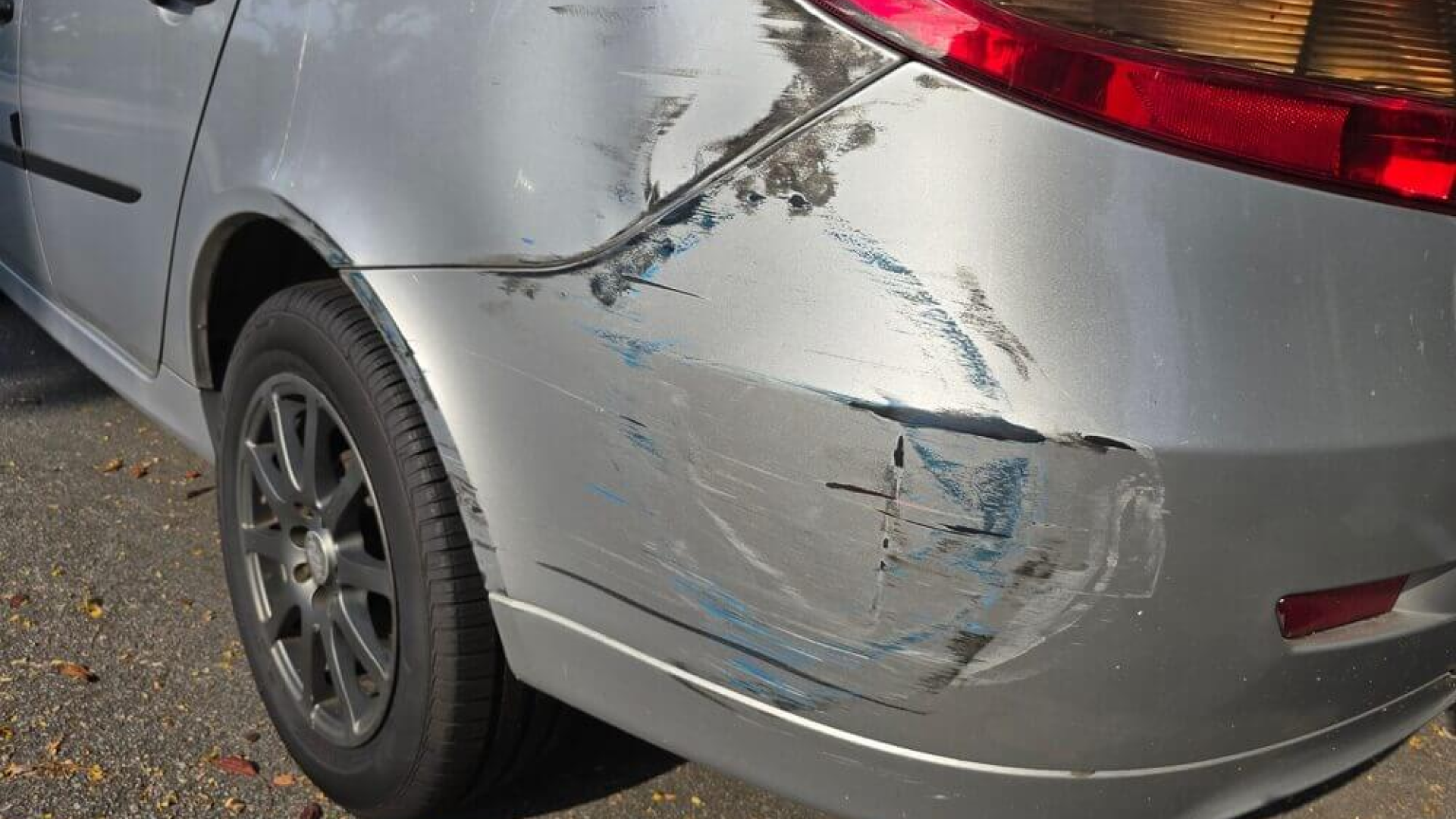
Cosmetic vehicle damage refers to damage that mainly affects the outer appearance of the vehicle without impacting its core safety structure or mechanical operation. Common examples of cosmetic damage include:
Small parking lot dents and door dings
Surface paint scratches and blemishes
Minor rock paint damage from highway driving
Scuffed, cracked, or scraped plastic bumpers
Minor exterior body panel imperfections
Because cosmetic damage is usually glaringly obvious, many drivers assume that what they see is the only problem after a collision. However, ignoring small surface flaws can invite rust, and keeping an eye out for the signs your car's paint damage is getting worse over time is crucial.
Depending on the exact condition of the affected panel, specialized cosmetic restorations may involve:
Traditional dent repair: Straightening metal panels using advanced stud-welding and body filler.
Paintless dent repair: Massaging out dents from behind the panel without ruining the factory finish.
Bumper repair and replacement: Reconditioning or renewing plastic bumper covers.
Professional auto paint services: Re-spraying and blending panels to perfection.
What Is Structural Vehicle Damage?
Structural vehicle damage involves structural parts of the vehicle that contribute directly to its physical stability, weight distribution, and overall cabin integrity. This type of severe damage can occur during a collision, even when the exterior sheet metal appears relatively minor.
Structural concerns typically include:
Bent vehicle frame rails or unibody crumple zones
Suspension and structural alignment issues following an accident
Core radiator support or inner reinforcement bar damage
Unlike cosmetic blemishes, structural problems are frequently completely hidden from view. A vehicle may display only a tiny dent or bumper crack while extensive, hidden collision damage exists underneath. Understanding why ignoring frame damage after a collision can put your safety at risk highlights the importance of getting a professional, after-accident vehicle inspection right away.
When structural compromises are discovered, certified collision repair and computerized frame alignment services are necessary to safely pull the chassis back to original factory specifications.
Common Mistake #1: Assuming the Damage Is Only Cosmetic
One of the most frequent mistakes drivers make is believing that a small dent or cracked bumper means the accident caused only superficial cosmetic damage. In reality, modern cars feature impact-absorbing structures hidden beneath thin plastic covers.
What appears to be simple bumper scuffing could actually hide a completely crushed reinforcement bar that can no longer absorb impact energy in a future crash. Reviewing the 7 signs your car needs professional collision repair after a minor accident can prevent you from overlooking these dangerous, hidden structural problems.
Common Mistake #2: Delaying Vehicle Inspection
Some drivers choose to wait weeks before having their vehicle checked by professionals, especially if the car still feels like it drives normally. Unfortunately, hidden alignment and chassis issues can quietly degrade your vehicle's mechanical components without your knowledge.
Over time, failing to act can cause severe handling flaws. Learning how frame misalignment can affect your car's handling and safety should encourage you to seek a professional vehicle frame inspection immediately after a crash to diagnose issues early.
Common Mistake #3: Ignoring Small Dents and Bumper Damage
Many people think minor dents are purely a visual nuisance and choose to live with them to avoid the hassle of a repair shop visit. However, even a minor parking lot bump can compromise internal safety equipment, such as parking sensors, blind-spot radar modules, or underlying structural components.
Understanding the real cost of ignoring bumper damage after a minor crash helps vehicle owners realize that what seems like a small aesthetic issue can lead to expensive safety feature failures and severe body panel rust down the line.
Common Mistake #4: Trying DIY Repairs First
Online videos and retail touch-up kits make modern auto body repair look like a simple weekend project. While fixing minor scuffs at home is highly tempting, DIY solutions often fall short because they fail to address hidden underlying damage.
Furthermore, household tools cannot pull dents or match automotive paint correctly. Reading a breakdown on why professional dent repair gives better results than DIY kits shows that utilizing an experienced auto body shop avoids permanent panel distortion and uneven paint blotches.
Common Mistake #5: Waiting Too Long to Repair Paint Damage
Scratches and paint damage may seem like low-priority repairs compared to mechanical fixes. However, automotive paint serves as a critical protective barrier for the underlying steel panels. When that barrier is broken, moisture and road salt immediately start attacking the metal.
Leaving raw scratches exposed to the elements can cause rapid rust propagation, which is why learning what happens if you delay auto body repairs too long is essential for preserving your vehicle's longevity and structural integrity.
Key Differences Between Cosmetic and Structural Damage
Understanding cosmetic vs. structural damage helps drivers make smarter choices when coordinating insurance claims and professional repairs.
Repair Category Cosmetic Damage Structural Damage
Primary Focus: Restoring external appearance and finishRestoring safety, handling, and balance
Common Issues: Shallow dents, door dings, paint chipsBent frame rails, unibody crumpling, wheel misalignment
Repair Methods: Paintless dent repair, automotive paintingFrame pulling machines, structural welding
A complete inspection by a certified auto body technician is the only definitive way to know which type of damage your car has sustained.
Signs Your Vehicle May Have Structural Damage
Even after a seemingly minor, low-speed fender bender, keep a close lookout for these clear warning signs of unibody or frame damage:
The vehicle drifts or pulls hard to one side while driving on flat roads
Your tires begin showing unusual, highly uneven tread wear patterns
The steering wheel feels loose, stiff, or sits crookedly while going straight
Body panels look uneven, with mismatched gaps between fenders or doors
The hood, doors, or trunk require extra force to latch closed properly
Unusual vibrations or squeaks develop across the floorboards or steering column
If you notice any of these distinct symptoms, realizing that you cannot drive a car with frame damage safely means scheduling an evaluation is your critical next step.
Why Prompt Collision Repair Matters
Prompt collision repair ensures that all visible visual defects and hidden mechanical issues are corrected simultaneously. Taking action without delay helps:
Stop Rust in Its Tracks: Sealing paint chips prevents deep panel corrosion.
Protect Your Passenger Safety: Correcting crumple zones ensures your vehicle protects you properly in future accidents, as explained in how collision repair helps restore structural safety to your vehicle.
Ensure Proper Handling: Getting a precise frame realignment ensures your tires track evenly, preventing premature wear.
Even minor accidents deserve a meticulous, certified evaluation because crash damage is rarely confined to the outer plastic bumper covers.
How MD AUTO BODY SHOP Helps With Vehicle Damage Repair
If you are looking for an expert team to restore your vehicle safely, MD AUTO BODY SHOP provides a comprehensive array of professional automotive repair services. Their certified technicians use state-of-the-art diagnostic, frame straightening, and paint-matching equipment to return every vehicle to pre-accident factory standards.
According to the company website, their advanced service capabilities include:
Full-service collision repair and panel restoration
Computer-guided frame alignment to correct unibody damage
Seamless bumper repair and replacement services
Traditional dent repair for deep panel creases
Eco-friendly paintless dent repair for quick ding removal
Precision factory auto paint color matching
Certified glass repair and replacement for cracked or chipped windshields
No matter if your car has a minor parking lot scratch or structural damage following a major collision, their team handles everything cleanly, including assisting you through the process of how insurance claims work for auto body repairs in Texas.
Frequently Asked Questions
Can cosmetic damage turn into a safety hazard if left alone?
Yes. Deep scratches that pierce the protective primer layer expose bare steel to moisture, leading to rust. Over time, that rust can eat entirely through structural components like fenders or structural rocker panels, eventually weakening the safety architecture of the vehicle.
How do I know if my car has underlying frame damage?
If your car pulls to one side, makes strange squeaking sounds over bumps, has doors that stick when opening, or exhibits uneven tire wear after an accident, it likely has frame damage. A computerized frame measuring system is the most accurate way to verify this condition.
Is paintless dent repair applicable to any type of vehicle dent?
No. Paintless dent repair is reserved for shallow dents where the factory paint finish is fully intact and unbroken. If the paint inside the dent is scratched, cracked, chipped, or peeling, traditional dent repair techniques and professional automotive painting will be required.
Conclusion
A minor car accident does not always equal minor damage. What seems like an insignificant dent or a superficial bumper crack can mask complex, hidden structural damage that requires professional intervention to fix safely.
Understanding the differences between cosmetic vehicle damage and structural vehicle damage empowers drivers to make smart repair decisions. Prompt collision inspection and proper vehicle restoration ensure your car remains beautiful on the outside and structurally secure on the inside.
Need Your Vehicle Inspected After an Accident?
If your vehicle has been involved in a minor collision and you are unsure if the damage is structural, let the team at MD AUTO BODY SHOP provide an expert evaluation. Check out our comprehensive auto body repair blog for more valuable car maintenance insights, or find out more on our About Us page. Ready for an estimate? Contact us today to schedule a professional vehicle inspection with a trusted Texas auto body facility!