
What Happens During a Professional Collision Damage Assessment at MD AUTO?
Introduction
After a vehicle accident, the visible damage is often only part of the problem. A crushed bumper, dented fender, broken light, or scraped paint may be easy to see, but a collision can also affect areas that are hidden behind body panels. Before repairs begin, a professional collision damage assessment helps determine what needs to be repaired, replaced, measured, refinished, or inspected more closely.
A proper assessment gives the vehicle owner a clearer understanding of the condition of the car and the work that may be required. It can also provide useful information for preparing a repair estimate and working through the insurance process.
At MD AUTO in Austin, Texas, collision repair is supported by services such as computerized frame alignment, bumper repair and replacement, dent repair, paintless dent repair, auto painting, glass repair, free estimates, photo estimates, and insurance assistance. Understanding how the assessment process works can make the period after an accident less confusing and help you know what information to expect before repairs move forward.
What Is a Collision Damage Assessment?
A collision damage assessment is a professional inspection of a vehicle after an accident or other incident that may have caused physical damage. The purpose is to identify visible and potential damage, determine which areas require further examination, and establish the scope of necessary body repair.
The inspection typically considers several parts of the vehicle rather than focusing only on the most obvious damaged panel. Depending on the accident, this may include:
Exterior body panels
Bumpers and bumper components
Doors, hoods, and fenders
Frame or structural areas
Glass
Paint and refinishing needs
Alignment-related concerns
Areas behind damaged body panels
The resulting assessment can help create a repair estimate and identify work that may be needed to restore the vehicle.
Why a Professional Assessment Matters
A vehicle can look drivable while still having collision-related damage that deserves professional attention. For example, a relatively minor-looking impact may leave a bumper damaged beneath its outer surface or affect the alignment of a structural component.
A professional inspection provides a more systematic way to evaluate the vehicle instead of relying solely on what can be seen from outside. It also creates an opportunity to identify the relationship between different types of damage before repair work begins.
For more information, see What to Expect During a Professional Auto Body Inspection.
What Happens During a Collision Damage Assessment?
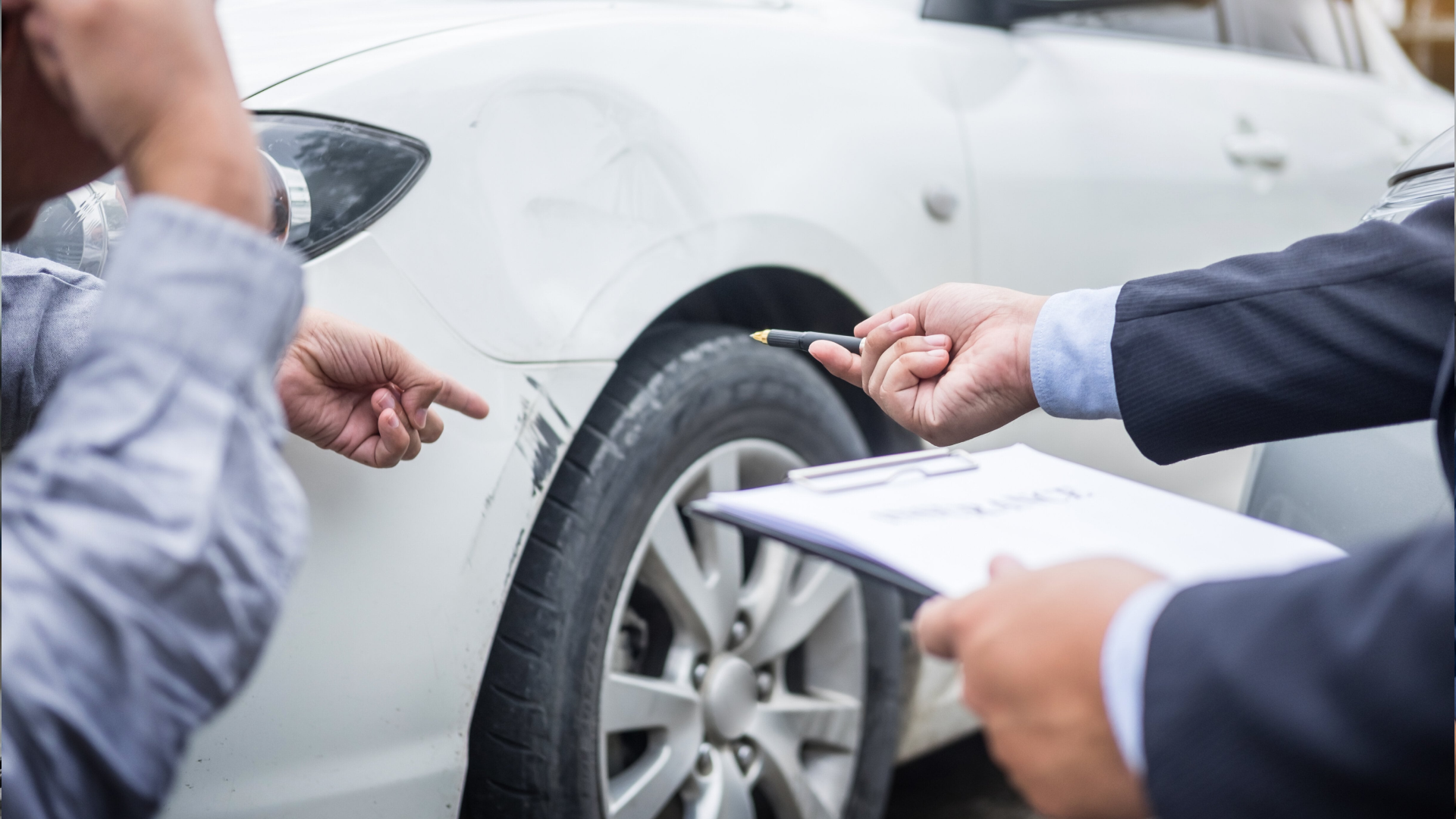
Although every accident is different, a professional collision inspection generally follows a logical sequence. The technician examines the vehicle, documents the condition, considers the extent of repair required, and prepares information that can be used to develop an estimate.
1. The Vehicle Is Examined for Visible Damage
The assessment begins with a close inspection of the vehicle's exterior. The technician looks for obvious signs of impact, such as dents, scratches, cracked bumpers, damaged panels, broken lights, and damaged glass.
The location and severity of visible damage can provide clues about how the impact affected the vehicle. Even if only one section appears damaged, surrounding components may also need to be examined.
2. Damaged Body Panels Are Evaluated
Body panels can sustain different types of damage depending on the direction and force of an impact. A panel might have a shallow dent that is suitable for paintless dent repair, while a more severely damaged panel may require conventional dent repair, refinishing, or replacement.
The condition of the panel, the location of the damage, and the effect on the surrounding area all matter when determining the appropriate repair approach.
3. Bumpers and Related Areas Are Inspected
Bumper damage is another important part of a collision assessment. Cracks, deformation, separation, or other damage may affect whether a bumper can be repaired or needs to be replaced.
The visible bumper cover is not necessarily the only component that requires attention. A professional assessment considers the damaged area as a system rather than treating the outer surface as the entire repair.
For additional information, see The Most Common Bumper Damage Drivers Experience and How It's Fixed.
4. The Frame and Structural Areas Are Considered
A collision can produce damage beyond the exterior bodywork. If the impact raises concerns about the vehicle's frame or structural alignment, specialized inspection and measurement may be necessary.
MD AUTO offers computerized frame alignment as part of its collision repair services. Computerized measurements can be used during the repair process to assess and restore frame alignment according to the requirements of the vehicle.
Why Frame Alignment Is Different From Body Repair
A dented panel is primarily an exterior body concern. Frame alignment addresses the vehicle's underlying structure.
These are separate aspects of collision repair, although they can be connected. A vehicle with significant impact damage may require structural work before exterior panels and cosmetic components can be properly restored.
For more information, see Why Proper Frame Alignment Is Critical After a Car Accident.
How Hidden Collision Damage Is Identified
One of the most useful aspects of a professional collision damage assessment is the opportunity to look beyond obvious cosmetic damage.
A damaged bumper, for instance, can conceal problems underneath. Likewise, an impact that bends or shifts an exterior panel may require inspection of nearby mounting points or structural components.
Why Visible Damage Does Not Tell the Whole Story
Imagine a vehicle that is struck on the front corner. From a distance, the damage may appear limited to a bumper and fender. A closer inspection could reveal additional issues requiring attention.
This does not mean every accident causes hidden damage. It means the repair assessment should account for the possibility and investigate areas that could reasonably have been affected.
For additional information, see How Hidden Damage Can Affect Your Vehicle After an Accident.
Supplemental Damage May Be Discovered During Repair
Sometimes additional damage becomes apparent only after damaged parts are removed or a technician can access an area that was previously concealed.
This is one reason an initial estimate should not always be interpreted as an absolute description of every repair that will ultimately be required. The scope can change if further legitimate damage is discovered during the repair process.
How a Collision Repair Estimate Is Prepared
Once the vehicle has been assessed, the information gathered during the inspection can be used to prepare a repair estimate.
The estimate may identify items such as:
Parts that require repair
Parts that may need replacement
Labor involved in the repair
Bodywork
Paint and refinishing
Frame-related work
Glass repair or replacement
Other necessary repair operations
A detailed estimate helps the vehicle owner understand what the proposed repair involves.
What Is a Free Auto Body Estimate?
A free auto body estimate provides an initial assessment of anticipated repair work without charging the customer for the estimate itself. MD AUTO offers free estimates as part of its collision repair services.
The value of an estimate is not simply the price. It gives the vehicle owner a clearer picture of the damage and the work being considered.
Can a Collision Damage Assessment Be Done From Photos?
In some situations, photographs can help begin the estimating process. MD AUTO also offers photo estimates, allowing customers to provide images of vehicle damage for an initial evaluation.
A photo can show useful information such as the location of a dent, the condition of a bumper, damaged paint, or broken exterior components. However, photographs have limitations.
Photo Estimates vs. In-Person Assessments
Photo EstimateIn-Person AssessmentUses photographs of the vehicleAllows direct physical inspectionConvenient for an initial evaluationProvides access to the vehicle's actual conditionCan show visible exterior damageCan examine areas more closelyMay help begin the estimate processBetter suited to evaluating damage that cannot be seen clearly in photos
A photo estimate should not automatically be treated as a complete substitute for a physical inspection. Hidden or additional damage may require the vehicle to be examined in person.
How Insurance Assistance Fits Into the Process
Dealing with insurance after an accident can involve documentation, estimates, communication, and questions about the repair process. MD AUTO provides insurance assistance to help customers with that part of the experience.
The repair shop and insurance company may need information about the vehicle's damage and proposed repairs. A clear estimate and documented assessment can help provide the information needed for those conversations.
For additional information, see How Insurance Claims Work for Auto Body Repairs in Texas.
What Vehicle Owners Should Bring or Provide
The exact information needed can vary, but having useful vehicle and accident details available can make the initial assessment easier.
Consider having:
Vehicle year, make, and model
Information about the accident
Insurance information
Photos of the damage, if available
Details about where the vehicle is located
Any relevant documents provided after the accident
Providing clear information helps the repair shop understand the situation before or during the inspection.
How Dent Repair Is Determined
Not every dent requires the same repair technique. During an assessment, the condition and location of the damage help determine what type of repair may be appropriate.
Paintless dent repair, commonly called PDR, is designed to correct certain dents without the conventional process of sanding, filling, and repainting the damaged area.
For more information, see What Makes Paintless Dent Repair a Popular Choice for Small Damage.
When Paintless Dent Repair May Be Considered
PDR may be suitable for certain dents where the paint remains intact and the panel can be restored using specialized techniques. The exact suitability depends on the individual damage.
More extensive damage may require traditional body repair and refinishing instead.
This distinction is especially relevant for hail damage, where a vehicle may have multiple dents across its body panels without extensive paint damage.
How Auto Painting Fits Into Collision Repair
Collision repair does not always end when a dent is removed or a replacement panel is installed. If a repaired area has damaged paint, refinishing may be necessary to restore the vehicle's appearance.
MD AUTO provides auto painting using PPG-certified paint services. Paint work can form an important part of restoring repaired body panels and bringing the finished area closer to the surrounding vehicle finish.
For more information, see How Professional Auto Painting Restores Your Car After Damage.
Why Paint Matching Matters
A replacement panel or repaired section should not look disconnected from the rest of the vehicle. Professional refinishing considers the existing vehicle color and the area being repaired.
Paint preparation, application, and finishing all contribute to the appearance of the completed repair.
You can also learn more about this process in How Auto Body Shops Match Factory Paint Colors Accurately.
What About Damaged Auto Glass?
Glass can also be affected by an accident. Depending on the type and extent of damage, the appropriate service may involve glass repair or replacement.
During a collision assessment, damaged glass should be considered alongside the rest of the vehicle rather than treated as an unrelated cosmetic issue.
A cracked or broken window, windshield, or other glass component may affect the overall repair plan and should be properly evaluated.
For more information, see Cracked Windshield: When Glass Repair Is Possible and When Replacement Is Necessary.
What Happens After the Assessment?
After the inspection and estimate, the next steps depend on the vehicle's damage, the required repairs, and the customer's circumstances.
The repair process may involve body repair, frame alignment, bumper work, dent repair, paint refinishing, glass services, or a combination of these services.
For customers who need help getting the vehicle to a repair facility, towing assistance may also be relevant. Rental-car assistance can be useful when the vehicle needs to remain at the shop during repairs.
Why the Repair Plan Can Change
An initial inspection is based on the information available at that stage. If additional damage becomes visible during disassembly or repair, the estimate and repair plan may need to be updated.
This is a normal consideration in collision repair and is one reason communication between the repair facility, vehicle owner, and relevant insurance parties matters.
Common Misconceptions About Collision Assessments
"If I Can Drive the Vehicle, It Does Not Need an Inspection"
Drivability does not necessarily tell you the full extent of collision damage. A vehicle can remain operational while still having body, alignment, glass, or other damage that requires professional evaluation.
"A Small Dent Always Needs Traditional Bodywork"
Not necessarily. Some dents may be candidates for paintless dent repair. The appropriate method depends on factors such as the location and characteristics of the damage.
"A Photo Shows Everything a Technician Needs to Know"
Photos can be useful for an initial estimate, particularly when the damage is clearly visible. They cannot always reveal damage hidden behind panels or components.
"The First Estimate Cannot Change"
An estimate is based on the condition observed during the assessment. If additional damage is discovered later, the scope of repair may change.
How to Prepare for a Collision Damage Assessment
A little preparation can make the appointment more productive.
Before the Assessment
If it is safe to do so, take clear photographs of the vehicle from several angles. Include close-up images of damaged areas as well as wider photos showing where the damage is located.
Gather your insurance and vehicle information, and write down anything you noticed immediately after the accident. Details about unusual noises, warning lights, leaks, or changes in how the vehicle drives may be useful to the repair professional.
Do not attempt to repair significant collision damage yourself before the vehicle has been professionally assessed. Unnecessary repairs or modifications can make it harder to understand the original condition of the vehicle.
Key Takeaways for Vehicle Owners
A professional collision damage assessment is more than a quick look at a dent or scratched bumper. It is an organized evaluation intended to identify the visible and potentially hidden effects of an accident and determine what repair services may be required.
The process can include:
Inspecting visible exterior damage.
Evaluating body panels and bumpers.
Considering potential structural or frame damage.
Determining whether dents may qualify for PDR.
Assessing paint and refinishing requirements.
Checking damaged glass.
Documenting the repair needs.
Preparing an estimate.
Supporting the insurance-related process when applicable.
Updating the repair scope if additional damage is discovered.
For Austin drivers dealing with collision damage, understanding these steps can make the repair process easier to follow and help set realistic expectations.
Conclusion
A collision damage assessment is the starting point for understanding what happened to a vehicle and what may be required to restore it. Looking beyond obvious dents and scratches is particularly important because collision damage can involve bumpers, body panels, frame alignment, paint, glass, and areas that are not immediately visible.
MD AUTO provides collision repair services in Austin, Texas, supported by computerized frame alignment, bumper repair and replacement, dent repair, paintless dent repair, auto painting, glass repair, free estimates, photo estimates, and insurance assistance.
For vehicle owners, the most useful approach is simple: have the damage professionally evaluated, ask questions about the proposed repairs, understand what the estimate includes, and recognize that additional damage can sometimes be discovered once repair work begins.
Frequently Asked Questions
What is included in a collision damage assessment?
A collision damage assessment generally involves examining visible body damage, bumpers, panels, glass, paint, and areas that may have been affected by the impact. If structural concerns exist, frame alignment and related inspection may also become part of the repair process.
How long does a collision damage assessment take?
The time required depends on the vehicle and the extent of the damage. A simple exterior assessment may be relatively straightforward, while a more complicated collision can require additional inspection to understand the full repair scope.
Can hidden damage be found during a collision inspection?
Yes. Some collision damage may not be visible from outside the vehicle. Additional problems can sometimes become apparent when damaged components are inspected more closely or removed during the repair process.
Can I get an auto body estimate from photos?
In some situations, photographs can be used for an initial estimate. Photo estimates can be useful for visible damage, but an in-person inspection may still be necessary to identify damage that photographs cannot show.
Does every dent require repainting?
No. Certain dents may qualify for paintless dent repair if the damage and condition of the panel are suitable. Other dents may require conventional body repair and refinishing.
What is computerized frame alignment?
Computerized frame alignment is a repair process that uses computerized measurement equipment to evaluate and help restore the vehicle's frame or structural alignment. It is particularly relevant when a collision has affected structural areas.
When does a bumper need to be replaced instead of repaired?
The decision depends on the type, location, and severity of the damage and the condition of the bumper and related components. A professional inspection is needed to determine the appropriate repair approach.
Does collision repair include auto painting?
Auto painting can be part of collision repair when damaged panels require refinishing or replacement panels need to be painted to match the vehicle. The exact paint work depends on the repair required.
Can damaged auto glass be repaired after an accident?
Some types of glass damage may be repairable, while more extensive damage may require replacement. The appropriate service depends on the type and extent of the damage.
Can a collision repair estimate change after repairs begin?
Yes. An initial estimate reflects the damage identified during the assessment. If additional damage is discovered during closer inspection or disassembly, the repair scope and estimate may need to be updated.
