
Introduction
A scratch on a car door, chipped paint on the hood, or faded color across the roof can make an otherwise well-maintained vehicle look older than it really is. Paint damage also raises an important question for vehicle owners: Does the affected area need a simple touch-up, professional refinishing, or a complete vehicle repaint? These terms are sometimes used interchangeably, but they describe different levels of automotive paint repair. Choosing the right service depends on how extensive the damage is, whether the original paint can be preserved, and how closely the repaired area needs to match the surrounding finish. A small stone chip, for example, may only require a carefully applied touch-up. A scratched door with damaged clear coat might need professional refinishing, while widespread fading, peeling, or extensive paint damage could make a full vehicle repaint worth considering. Understanding these options helps you avoid paying for more work than necessary while making sure the repair addresses the actual problem. For drivers in Austin, Kyle, Buda, San Marcos, and South Austin, knowing the differences can also make conversations with an auto body shop more productive.
What Is an Automotive Paint Touch-Up?
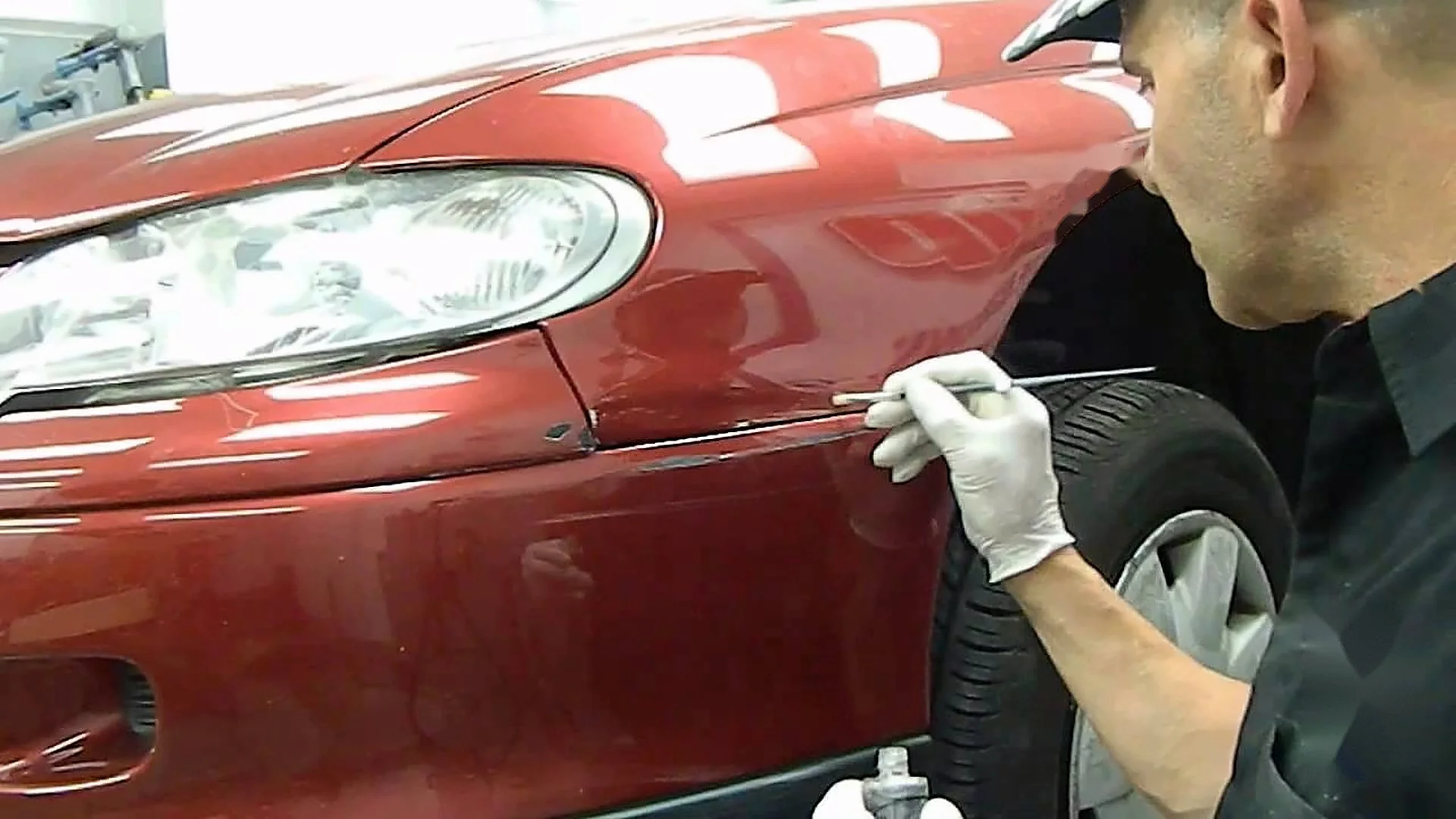
An automotive paint touch-up is a localized repair that covers a small area where the vehicle's original paint has chipped, scratched, or worn away. The purpose is to protect the exposed surface and make the damage less noticeable without repainting an entire panel. Touch-ups are generally suitable for minor cosmetic imperfections that have not affected a large portion of the vehicle's finish.
When Is a Paint Touch-Up Appropriate?
A touch-up may be appropriate when the damage is small, isolated, and limited to a relatively shallow area.
Common examples include:
Small stone chips on the hood or front bumper
Tiny scratches around door handles
Minor paint chips along door edges
Small scratches from keys or light contact
Isolated spots where paint has been scraped away
Minor imperfections around the trunk or liftgate
For example, imagine a vehicle has three small stone chips on the hood after regular highway driving. If the surrounding paint remains in good condition, a technician may be able to repair those individual spots without refinishing the entire hood.
How Does a Professional Paint Touch-Up Work?
A proper touch-up involves more than simply covering a chip with paint. The damaged area needs to be assessed and prepared so the repair adheres properly. A typical process includes:
Cleaning the affected area: Dirt, wax, road film, and other contaminants are removed.
Inspecting the damage: The technician checks whether the scratch has affected the clear coat, base coat, or underlying primer and metal.
Preparing the surface: Loose paint and corrosion, if present, must be addressed before applying new material.
Applying the correct paint: A suitable color formulation is selected to match the vehicle as closely as possible.
Finishing the repair: Depending on the repair method, the area may require clear coat and careful finishing.
The exact process depends on the size and depth of the damage. Some very minor surface scratches may need polishing rather than additional paint.
What Are the Benefits and Limitations of Touch-Ups?
The main advantage of a touch-up is that it treats a small problem without disturbing large areas of original factory paint.
Benefits include:
Limited repair area
Less extensive preparation than panel refinishing
Preservation of most original paint
A practical option for isolated chips and scratches
Potential protection of exposed metal from moisture
However, a touch-up is not designed to make every damaged area look completely new. A small repair may remain slightly visible under certain lighting, particularly if the vehicle has aged paint, metallic finishes, or a complex color. Touch-up paint also cannot correct widespread peeling, deep scratches across a panel, or significant collision damage.
What Is Automotive Paint Refinishing?
Automotive paint refinishing is a professional process used to restore the appearance and protective finish of a damaged or deteriorated vehicle panel or section. Unlike a small touch-up, refinishing generally involves preparing a larger surface and applying new paint layers, followed by clear coat when required by the paint system. The goal is to create a consistent finish that blends with the surrounding vehicle.
When Does a Vehicle Need Paint Refinishing?
Refinishing is usually considered when the damage is too extensive for a localized touch-up but does not justify repainting the entire vehicle.
Common situations include:
Scratches covering a significant portion of a door
Peeling or damaged clear coat on one panel
Deep scuffs from parking lot contact
Paint damage after a minor collision
Uneven or discolored paint on a bumper
Surface damage that extends beyond a few isolated chips
Previous repairs with visible paint inconsistencies
Consider a car with a long scratch across the passenger-side door. Applying touch-up paint along the entire line may leave an uneven appearance. Refinishing the affected panel may provide a more consistent result.
What Happens During the Refinishing Process?
Professional auto paint refinishing involves several stages. The preparation is just as important as the paint application because imperfections beneath the new finish can affect the final appearance.
1. Damage Inspection and Surface Preparation
The technician examines the panel to determine the depth and extent of the damage. Depending on the condition, preparation may involve cleaning, sanding, removing loose paint, correcting minor surface imperfections, and applying suitable primer. If the damage has caused dents, the bodywork may need to be completed before painting begins.
2. Primer Application
Primer helps prepare the surface for the paint system. It can support adhesion and provide a suitable foundation for subsequent coatings. The type of primer depends on the repair material, the substrate, and the paint manufacturer's recommendations.
3. Base Coat Application
The base coat provides the vehicle's color. A technician selects or formulates a matching color using information such as the manufacturer's paint code and, when needed, additional color-matching techniques. A paint code is a useful starting point, but it does not always guarantee an exact visual match. Original paint can change over time due to sunlight, environmental exposure, and normal aging. Learn more about how auto body shops match factory paint colors accurately.
4. Clear Coat Application
Many modern automotive finishes use a clear coat over the colored base coat. The clear coat adds gloss and provides a protective layer against everyday environmental exposure. Its application and curing must follow the paint system's specifications.
5. Final Inspection and Finishing
After the coating has cured as required, the repaired area is inspected for color consistency, surface texture, gloss, and visible imperfections. Depending on the repair, polishing or other finishing work may be necessary to achieve a uniform appearance.
Can Refinishing Match the Original Factory Paint?
Professional refinishing can produce a close color match, but achieving a consistent appearance requires more than selecting the correct paint code.
Technicians may need to consider:
The vehicle's original color formulation
Paint fading and oxidation
Metallic or pearl effects
Differences in color under natural and artificial lighting
The condition of adjacent panels
The angle from which the finish is viewed
For certain colors, blending the new paint into adjacent panels may help reduce visible differences. The appropriate approach depends on the vehicle's finish, damage location, and repair requirements.
What Is a Full Vehicle Repaint?
A full vehicle repaint involves applying a new paint finish across most or all of the vehicle's exterior. It is a much larger project than touching up a small chip or refinishing one damaged panel. A full repaint may be considered when paint deterioration or damage affects multiple areas and localized repairs would not produce a consistent overall appearance.
When Is a Full Car Repaint Necessary?
A complete repaint may be appropriate in situations such as:
Extensive clear coat failure across several panels
Widespread peeling or cracking paint
Significant fading throughout the vehicle
Multiple panels with different or poorly matched previous repairs
Extensive scratches and cosmetic damage
A planned color change
Restoration of an older vehicle with deteriorated paint
For example, a vehicle that has spent years exposed to strong sunlight may develop fading and clear coat deterioration across the hood, roof, trunk, and doors. Repairing each panel separately might not provide the consistent finish the owner wants. A full repaint can address the broader appearance problem, although the condition of the underlying body and previous repairs must be assessed first.
What Does a Full Vehicle Repaint Involve?
A complete repaint is a detailed process that requires careful preparation, suitable materials, and controlled application.
Vehicle Inspection and Planning
The shop evaluates the paint condition, body panels, existing damage, rust, and previous repairs. The owner and technician should also discuss whether the goal is to restore the original color or change the vehicle's appearance.
Removing or Protecting Components
Depending on the scope of the job, certain exterior components may be removed to improve paint coverage and reduce overspray around edges. Other parts may be carefully masked and protected. The exact approach depends on the agreed repair scope.
Surface Preparation
Old or damaged coatings may need to be sanded or removed in affected areas. Dents, scratches, corrosion, and other body imperfections must be addressed before the new finish is applied. Painting over unresolved rust or poorly prepared surfaces can lead to future problems.
Primer, Base Coat, and Clear Coat
The prepared surfaces receive the appropriate primer and paint layers according to the selected refinishing system. If the vehicle is receiving a new color, coverage requirements may differ from a repaint in the original shade. Edges, door openings, and other areas must be discussed when agreeing on the scope of work.
Curing and Quality Inspection
The paint system must cure according to the manufacturer's requirements. Afterward, the finish is inspected for coverage, consistency, gloss, and application defects. A full repaint should be evaluated as a complete refinishing project rather than simply a larger version of a touch-up.
How Do You Know Which Paint Repair Your Car Needs?
Choosing between a touch-up, refinishing, and a full repaint starts with understanding the condition of the existing finish.
The following considerations can help narrow down the options.
1. Check the Size of the Damaged Area
A few isolated chips may be suitable for touch-up work. A long scratch, large scuff, or damaged clear coat across an entire panel may require refinishing. If multiple panels show similar deterioration, a broader repaint may be worth discussing. For more examples, see what types of vehicle dents professional dent repair can fix.
2. Determine How Deep the Damage Goes
Not every scratch requires new paint. A scratch that affects only the clear coat may respond to professional polishing or paint correction. If the base coat or primer is damaged, repainting the affected area may be necessary. Scratches that expose bare metal need prompt attention because moisture can contribute to corrosion. A technician can inspect the damage and identify which layers have been affected. You can also learn how small scratches can lead to bigger auto body problems.
3. Consider the Condition of the Surrounding Paint
A repair needs to look appropriate next to the original finish. If the surrounding paint is faded or oxidized, a fresh touch-up may stand out. Refinishing with a suitable blending approach may produce a better visual result.
4. Look for Signs of Clear Coat Failure
Clear coat deterioration can appear as cloudy patches, peeling, flaking, or areas that have lost their gloss. A small isolated area may be repairable through localized refinishing, depending on the coating's condition. Widespread failure across several panels may call for a more extensive paint restoration plan.
5. Think About Your Long-Term Plans for the Vehicle
The vehicle's age, condition, intended use, and ownership plans can influence the decision. If you plan to keep the car for several years, investing in a durable, properly prepared repair may make sense. If you are addressing one small chip on an older vehicle, a localized repair may be more practical than repainting an entire panel. The best decision balances appearance, protection, repair scope, and budget.
How Does Austin's Climate Affect Vehicle Paint?
Vehicle paint is exposed to sunlight, heat, rain, road debris, and environmental contaminants throughout the year. In Austin and the surrounding Central Texas communities, strong sun and high temperatures can make exterior paint maintenance especially relevant.
Sun Exposure and Paint Fading
Ultraviolet radiation can contribute to fading and deterioration of automotive paint and clear coat over time. Vehicles regularly parked outdoors may show uneven aging between horizontal surfaces, such as the hood and roof, and more shaded areas. A paint inspection can help determine whether the issue is surface oxidation, clear coat failure, or damage that requires refinishing. Read more about how to protect your car's paint from Texas sun damage.
Heat and Surface Contamination
Hot vehicle surfaces can make certain contaminants more difficult to remove if they are left untreated. Bird droppings, tree sap, and other substances may affect the finish. Cleaning them promptly with products appropriate for automotive paint can reduce the risk of lasting marks.
Road Debris and Small Paint Chips
Highway driving can expose the front of a vehicle to stones and other debris. Small chips may develop on the hood, bumper, and fenders. Addressing exposed areas before corrosion develops can help prevent a minor cosmetic issue from becoming a larger repair.
Why Professional Paint Matching Matters
A repair can be technically complete and still look inconsistent if the color does not blend well with the surrounding finish. Professional paint matching considers the vehicle's color formulation, paint condition, and finish characteristics.
Why a Paint Code Is Not Always Enough
Manufacturers assign paint codes to identify vehicle colors, but the appearance of a vehicle's paint can change over time. Two cars with the same factory color may look slightly different because of age, exposure, maintenance, and previous refinishing work. A technician may need to evaluate the existing finish and use test applications or color-matching tools to achieve a closer result. Learn more about how MD AUTO matches new paint to your vehicle's existing color.
Metallic and Pearl Finishes Require Special Attention
Metallic and pearl paints contain special effect materials that influence how the color appears under different lighting and viewing angles. The way these materials are distributed during application can affect the final appearance. A panel may look close to the original color from one angle but different from another. This is one reason professional application and inspection are important for complex automotive finishes.
The Role of PPG Automotive Paint
PPG is an established automotive coatings manufacturer whose paint products are used in professional refinishing systems. MD AUTO offers PPG paint services as part of its auto painting work. The selected products and application procedures should be appropriate for the vehicle, repair scope, and coating system.
Common Mistakes to Avoid When Repairing Vehicle Paint
Paint repairs can become more expensive or less effective if the underlying problem is misunderstood.
Using Touch-Up Paint on Extensive Damage
Touch-up paint is intended for small areas. Applying it to a large scratch or widespread peeling finish may create an uneven result without addressing the full damage.
Painting Over Rust or Loose Paint
New paint cannot reliably correct corrosion or unstable coatings underneath it. The affected material must be properly addressed before refinishing. Otherwise, the problem may return beneath the new finish.
Choosing Paint Based Only on Its Color Name
A color name or paint code does not guarantee a perfect match. The existing finish, paint age, and effect pigments all matter.
Skipping Surface Preparation
Dust, grease, loose coatings, and surface imperfections can interfere with paint adhesion and final appearance. Proper cleaning, sanding, masking, and priming are essential parts of professional refinishing.
Assuming a Full Repaint Is Always Better
A complete repaint may be unnecessary if the damage is limited to one small area or a single panel. A repair assessment should identify the least extensive method that can properly address the problem.
Questions to Ask Before Approving an Auto Paint Repair
Before authorizing work, ask the repair shop to explain the recommended process and what the estimate includes.
Useful questions include:
Is the damage limited to the clear coat, or does it affect the base paint or primer?
Can the affected area be repaired with a touch-up, or does it need panel refinishing?
Will adjacent panels need blending to achieve a consistent color?
Does the estimate include dent repair, sanding, primer, base coat, and clear coat where required?
What paint system will be used?
How will the shop address rust, peeling paint, or previous repair defects?
How long should the vehicle remain at the shop?
What warranty, if any, applies to the workmanship and materials?
A clear explanation makes it easier to compare estimates. It also helps you understand whether two shops are proposing the same repair scope.
Conclusion
A paint touch-up, professional refinishing, and a full vehicle repaint serve different purposes. A touch-up addresses small, isolated chips and scratches. Refinishing restores a larger damaged area, often an individual panel, while a full repaint addresses widespread paint deterioration or a planned change to the vehicle's overall color. The right option depends on the size and depth of the damage, the condition of the surrounding paint, and the finish you want to achieve. Not every scratch needs a complete repaint, and not every damaged panel can be corrected with a small touch-up. For the best result, have the paint inspected before choosing a repair method. An experienced auto body technician can identify the affected paint layers, explain the available options, and recommend a repair scope that fits the vehicle's condition. For drivers in Austin, Kyle, Buda, San Marcos, and South Austin, MD AUTO provides auto painting and collision repair services, including PPG paint work and professional repair assessments. Understanding the differences between paint repair options helps you ask better questions and make a more informed decision about restoring your vehicle's finish.
Frequently Asked Questions
1. What is the difference between touch-up paint and repainting a car?
Touch-up paint repairs small, isolated chips or scratches, while repainting covers a larger area such as an entire panel or most of the vehicle. The choice depends on the extent of the damage and the condition of the surrounding finish.
2. Is a paint touch-up noticeable on a car?
It can be, particularly if the paint color is complex, the original finish has faded, or the damaged area is large. A properly matched touch-up can make a small imperfection less visible, but it may not be completely undetectable.
3. When does a car need professional paint refinishing?
A car may need refinishing when scratches, scuffs, peeling clear coat, or other damage affects a larger area than a small touch-up can reasonably cover. Refinishing is often used to restore an individual panel.
4. Is it better to repaint one panel or the entire car?
If the damage is limited to one panel and the remaining paint is in good condition, refinishing that panel may be sufficient. A full repaint is more appropriate when deterioration or damage affects multiple areas or when the owner wants a complete color change.
5. Can a car scratch be repaired without repainting?
Yes, if the scratch affects only the clear coat and has not penetrated the color layer, professional polishing or paint correction may improve or remove its appearance. Deeper scratches that expose primer or metal generally require additional repair and paint.
6. How do auto body shops match new paint to old car paint?
Technicians use the manufacturer's paint code as a starting point and may evaluate the existing finish with color-matching tools and test applications. They also consider fading, metallic effects, pearl pigments, and surrounding panel colors.
7. Does a full vehicle repaint include door jambs?
Not automatically. The scope depends on the estimate and whether the project involves an exterior-only repaint or a more extensive color change. Door jambs, interior edges, and other concealed areas should be discussed before work begins.
8. Can faded car paint be restored without repainting?
Sometimes. If the fading is caused by surface oxidation and the clear coat remains in suitable condition, professional paint correction may improve the appearance. If the clear coat is peeling or the paint has deteriorated extensively, refinishing may be necessary.
9. How can I protect newly refinished car paint?
Follow the repair shop's aftercare instructions and the paint system's recommended curing guidance. Avoid harsh chemicals and abrasive cleaning methods, and use suitable automotive cleaning products. Ask the shop when washing or waxing is appropriate after the repair.
10. Is a full car repaint worth it?
It can be worthwhile when the vehicle has widespread paint damage, severe fading, or a finish that cannot be restored through localized repairs. Consider the vehicle's overall condition, intended use, repair cost, and desired appearance before making the decision.
