
How Does PDR Help Repair Hail Damage Without Repainting Your Vehicle?
Introduction
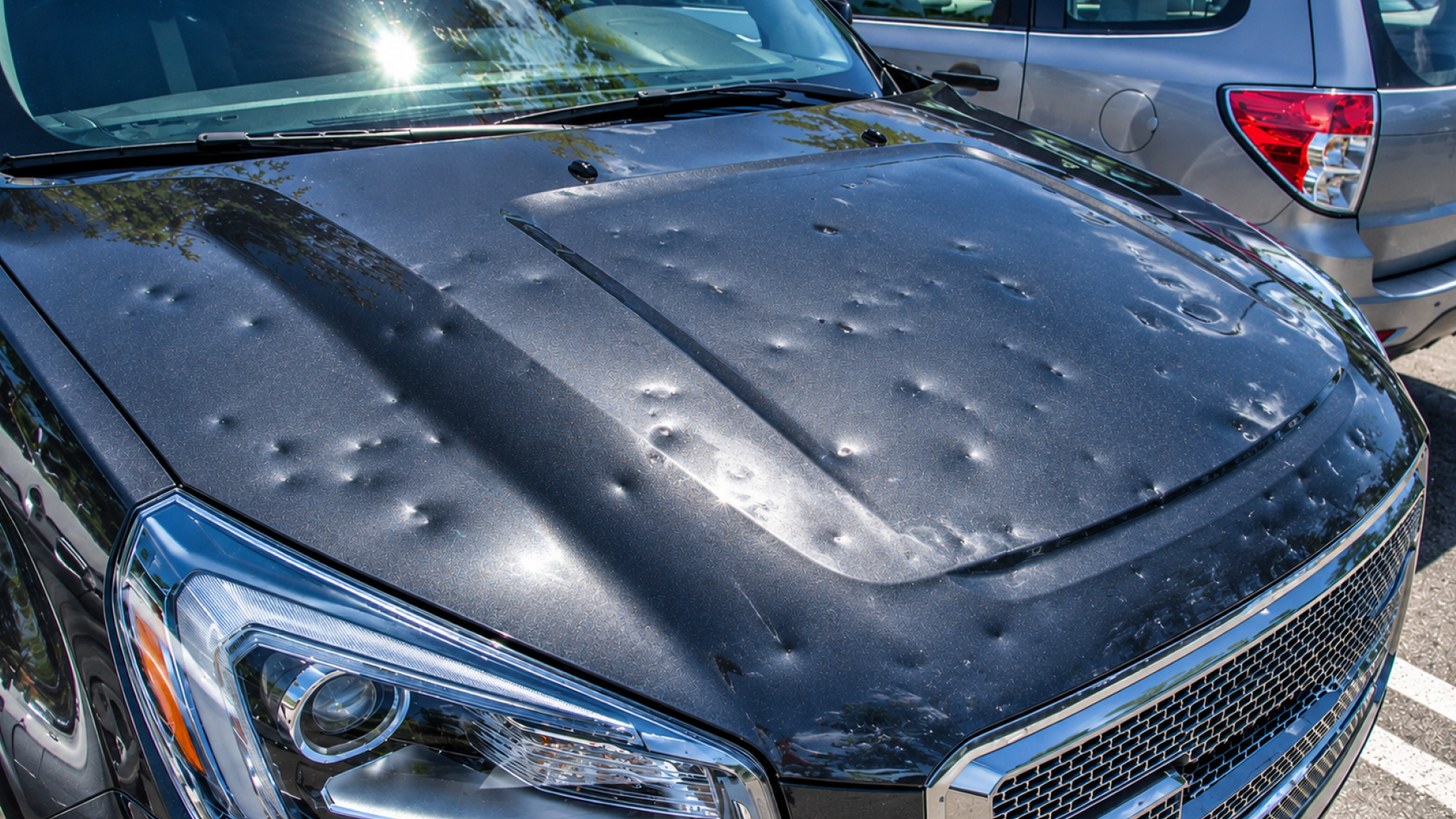
A hailstorm can leave a vehicle covered in small dents, making an otherwise well-maintained car look worn or damaged overnight. In Austin, Texas, hail can strike without much warning, leaving drivers with damage across the hood, roof, trunk, doors, and other exposed panels. Even when the paint appears intact, the dents can affect the vehicle's appearance and raise questions about repair costs, insurance coverage, and long-term value. Paintless dent repair (PDR) offers a way to correct many hail dents without sanding, filling, or repainting the affected panels. Instead of covering the damage with new paint, a trained technician carefully reshapes the metal from behind the panel or uses specialized tools to work from the exterior surface. The aim is to restore the original contour while preserving the factory paint finish. PDR can be an effective option for hail damage, but it is not suitable for every dent. The condition of the paint, the depth and location of the damage, the type of panel, and access to the back of the metal all influence whether the technique will work. Learn more about what makes paintless dent repair different from traditional body repair.
Understanding how paintless dent repair works helps vehicle owners make informed decisions after a storm. MD AUTO, an Austin-area auto body and collision repair shop, offers services that include PDR, traditional body repair, and painting. Knowing the differences between these methods can help drivers determine what to ask during a professional damage assessment.
What Is Paintless Dent Repair?
Paintless dent repair is a specialized auto body repair technique used to remove dents and restore a vehicle's exterior panels without applying new paint. It works by gradually returning displaced metal to its original shape while keeping the existing finish intact. Traditional dent repair may involve sanding, body filler, primer, and paint to rebuild the damaged area. PDR takes a different approach: the technician focuses on correcting the panel's shape rather than covering the damage with additional material.
How PDR Works on Hail Damage
Hailstones can create rounded depressions in sheet metal when they strike a vehicle. If the impact stretches the metal only slightly and does not crack or chip the paint, the dent may be a good candidate for paintless dent repair. A technician examines the panel, identifies the dent's edges and centre, and determines how the metal needs to move. Using specialized tools and controlled pressure, the technician gradually works the depression back toward its original contour. This process requires patience and precision. Pushing too aggressively can create high spots, distort the panel, or damage the paint, so the technician must make small adjustments and continually check the surface.
Why PDR Does Not Require Repainting
Automotive paint is designed to adhere to the vehicle's surface and withstand normal exposure to weather and road conditions. When a hail impact deforms the metal without breaking the paint layer, it may be possible to correct the shape without disturbing the finish. Because PDR preserves the original paint, it can avoid some steps associated with conventional body repair, including sanding, applying filler, priming, colour matching, and clear-coat application. For more information, see how auto body shops match factory paint colours accurately. However, the method depends on the paint remaining intact. If hail has chipped, cracked, or fractured the finish, paintless dent repair alone will not restore the damaged coating. The vehicle may need paint repair or a combination of repair techniques.
How Does PDR Repair Hail Dents Step by Step?
Hail damage can involve dozens or even hundreds of small dents across different panels. A professional repair process starts with a careful inspection rather than immediately applying pressure to the visible depressions. Learn more about what to expect during a professional auto body inspection.
Step 1: Inspect the Vehicle for Hail Damage
The technician examines the hood, roof, trunk lid, doors, fenders, and other exposed areas. Depending on the storm, damage may also affect roof rails, trim, or other components. Special lighting helps reveal shallow dents that are difficult to see in ordinary daylight. Reflections across the panel make subtle changes in the surface easier to identify. The inspection should also look for paint chips, cracks, damaged glass, and dents that are too sharp or deep for PDR. Identifying these issues early helps determine the appropriate repair plan.
Step 2: Map the Dents and Assess Their Severity
After inspecting the vehicle, the technician evaluates the number, size, depth, and location of the dents. A shallow, rounded depression usually presents different repair challenges from a sharp dent with a pronounced crease. Hail damage may vary significantly across the same vehicle. The hood might have many small dents, while the roof has deeper impacts or damage close to structural supports. The technician uses this assessment to decide which dents can be repaired using PDR and which may need conventional bodywork or paint repair. This is part of a broader professional collision damage assessment.
Step 3: Gain Access to the Damaged Panel
Many PDR repairs are performed from behind the affected panel. To reach the metal, the technician may need to remove or reposition interior trim, headliners, insulation, or other components. For example, repairing dents on a roof may require careful access beneath the headliner. The technician must protect the vehicle's interior and avoid disturbing wiring, airbags, or other equipment. Not every repair requires removing interior parts. In some cases, specialized tools can reach the dent through existing openings or access points.
Step 4: Reshape the Metal With Specialized Tools
The technician applies controlled pressure to the back of the dent using tools designed for paintless dent repair. Small adjustments gradually move the metal toward its original contour. For areas where access from behind is limited, a technician may use glue-pulling techniques. These involve attaching a removable tab to the exterior of the dent and pulling the metal outward in a controlled manner. Glue pulling is not appropriate for every surface or paint condition. The technician must choose a method that suits the panel and finish, since improper techniques can cause paint damage or leave surface irregularities. Professional repairs can help avoid the issues associated with DIY dent repair kits.
Step 5: Check the Surface Under Specialized Lighting
After reshaping the dent, the technician checks the panel from different angles under controlled lighting. This helps reveal high spots, low spots, and remaining distortions that may not be obvious when viewed straight on. The technician may make further adjustments until the panel's reflections appear consistent with the surrounding surface. Large hail-damaged areas can require repeated inspection because correcting one dent may affect how nearby areas appear.
Step 6: Reassemble and Inspect the Vehicle
If trim or other components were removed, they are reinstalled after the repair. The technician then checks the repaired panels and surrounding areas to confirm that the work is complete and that the vehicle is properly reassembled. A final inspection should also account for any damage identified outside the PDR work. For example, cracked glass or chipped paint may require separate attention even if the metal dents have been corrected. If the damage includes a windshield or other glass component, professional glass replacement may be necessary.
What Types of Hail Damage Can PDR Repair?
Paintless dent repair works best when the metal is dented but the paint remains intact. The exact limits depend on the vehicle, panel material, dent geometry, and technician's assessment.
Small, Shallow Hail Dents
Small, rounded dents are often suitable for PDR because the metal may be displaced without substantial stretching. When the paint has not cracked, a technician may be able to restore the panel without repainting it. These dents commonly appear on horizontal surfaces such as the hood, roof, and trunk because those areas are directly exposed during a hailstorm. A vehicle with many small dents may still need considerable labour. The number of dents, their spacing, and the accessibility of each panel can affect the time and complexity of the repair. See also what makes paintless dent repair a popular choice for small damage.
Medium-Sized Dents
Medium-sized hail dents may also be repairable, but their depth and shape matter. A broad, shallow depression may be easier to correct than a smaller dent with a sharp centre or stretched metal. The technician must assess whether the panel can be reshaped without creating additional distortion. A dent near a body line or reinforced area may require more specialized work than one in the middle of a broad, flat panel.
Hail Dents Near Body Lines
Body lines are the deliberate creases and contours that give a vehicle's exterior its shape. Dents close to these features can be more challenging because the metal is shaped more precisely in those areas. A skilled PDR technician may be able to restore some dents near body lines, but the result depends on how sharply the metal has been deformed and whether the paint remains flexible and intact.
Dents on Aluminium Panels
Some vehicles use aluminium for the hood, doors, or other body panels. Aluminium behaves differently from steel and can require different tools, techniques, and repair considerations. Aluminium may be more prone to retaining deformation after an impact, depending on the alloy and panel design. It can still be suitable for PDR in some cases, but the technician must have the appropriate experience and equipment.
When Is PDR Not the Right Choice?
PDR has clear advantages, but it is not a universal fix. Some types of hail damage require conventional dent repair, paintwork, panel replacement, or a combination of methods.
When the Paint Is Cracked or Chipped
PDR reshapes metal; it does not repair missing paint or restore a cracked clear coat. If a hailstone breaks through the finish, the exposed area may need refinishing to restore appearance and help protect the underlying material. A technician may still use PDR to correct the metal before completing the paint repair. Combining methods can be more appropriate than trying to make one technique address every aspect of the damage. Learn more about how professional auto painting restores your car after damage.
When the Metal Is Severely Stretched
A forceful impact can stretch the panel beyond what can be corrected cleanly through paintless dent repair. The metal may not return to its original contour without additional bodywork. Deep dents, sharp creases, and severe deformation may need conventional repair or panel replacement. The decision depends on the panel's condition, repair requirements, and whether the final result can meet appropriate quality standards.
When the Damage Affects Panel Edges or Reinforced Areas
The edges of a hood, roof, or door may be difficult to access. Structural supports and reinforcement bars can also limit the space available for PDR tools. Some dents in these locations remain repairable, but the technician may need a different approach. If the metal cannot be safely reached or reshaped, another repair method may be necessary.
When Glass, Trim, or Other Parts Are Damaged
Hailstorms can damage more than painted body panels. Windshields, side windows, mirrors, lights, weather seals, and trim may also be affected. PDR does not correct cracked glass or replace broken components. These issues should be identified during the inspection and included in the overall repair plan.
PDR vs. Traditional Hail Damage Repair
The right repair method depends on the type of damage, not simply on which option avoids paint.
Paintless Dent Repair
PDR reshapes the existing panel while preserving the original finish. It is generally most suitable for dents where the paint remains intact and the metal can be returned to its original shape.
Potential advantages include:
Preserving factory paint.
Avoiding body filler and repainting for suitable dents.
Reducing the number of repair steps.
Maintaining the original colour and finish in repaired areas.
Potentially shortening repair time compared with more extensive bodywork.
These benefits depend on the vehicle and the extent of the damage. Extensive hail damage can still require substantial time and skilled labour even when PDR is appropriate.
Traditional Dent Repair and Repainting
Conventional body repair may involve reshaping the panel, sanding the surface, applying body filler where appropriate, priming, and repainting the affected area. This approach is useful when the paint is damaged or the metal cannot be restored adequately through PDR alone. Painting may also be needed to correct scratches, chips, or other finish damage caused by hail. The repair process should account for colour matching, paint application, curing requirements, and the surrounding finish. Traditional repair is not automatically inferior to PDR. It is the appropriate choice when the damage requires it.
Which Method Is Better for Hail Damage?
PDR is often the preferred option for shallow hail dents with intact paint. Traditional repair is generally more suitable when the paint is broken, the panel is severely deformed, or the metal cannot be reshaped to an acceptable standard. Some vehicles need both methods. A technician may repair most dents with PDR while using conventional bodywork and refinishing on a small number of damaged areas. The best approach comes from a detailed inspection that considers the vehicle's condition, appearance, repair requirements, and cost. For a closer comparison, see paintless dent repair vs. traditional dent repair.
What Are the Benefits of PDR After an Austin Hailstorm?
For suitable damage, paintless dent repair offers several practical advantages for vehicle owners.
Preserving the Original Factory Finish
Factory paint is applied under controlled manufacturing conditions. Preserving it can help maintain the vehicle's original finish and avoid introducing new paintwork where it is not necessary. That does not mean a vehicle automatically loses value whenever it is repainted. The effect depends on the quality and extent of the repair, the vehicle's history, and the buyer's expectations. Read more about how hail damage affects your car's exterior and resale value.
Reducing the Need for Body Filler and Paint
Because PDR focuses on reshaping the metal, it can avoid filler, primer, and repainting for suitable dents. This can reduce the number of materials and repair stages involved. It also avoids the challenge of matching the repaired area to the existing paint, which can be particularly important on older vehicles whose finish has changed with age and sun exposure.
Potentially Shorter Repair Time
A suitable PDR repair may take less time than a repair requiring extensive bodywork and refinishing. However, the time needed depends on the number of dents, their severity, panel access, and the shop's workload. A vehicle with extensive hail damage across multiple panels may still require a significant amount of labour. Ask for a realistic estimate based on the inspection rather than assuming every PDR job can be completed quickly. For more details, see how long collision repair usually takes after a car accident.
Retaining More of the Original Vehicle Material
PDR reshapes the existing panel instead of removing and replacing it solely to correct a dent. When successful, this can preserve the original panel and finish. Panel replacement may still be necessary if the damage is too severe or the panel cannot be restored appropriately.
How Much Does PDR Cost for Hail Damage?
There is no single price for paintless dent repair. Costs vary according to the number of dents, their size and depth, panel location, access requirements, and the overall condition of the vehicle. A car with a few shallow hood dents will generally involve a different amount of work from an SUV with extensive damage across the roof, hood, doors, and trunk. Aluminium panels, difficult access, and dents near body lines may also affect labour.
Factors That Affect a PDR Estimate
A professional estimate may consider:
The total number of dents.
The size, depth, and shape of the damage.
The number of panels affected.
Whether the paint is intact.
The type of metal used in the panels.
Whether interior trim must be removed.
Whether traditional bodywork or painting is also required.
Photos can be useful for an initial estimate, especially when the dents are visible under suitable lighting. However, photos may not show every dent or reveal whether the paint has cracked, so an in-person inspection may still be necessary.
Does Insurance Cover PDR for Hail Damage?
Comprehensive auto insurance may cover hail damage, subject to the policy's terms, exclusions, deductible, and coverage limits. Collision coverage generally applies to a different category of damage, so drivers should review their policy or speak with their insurance provider. Before authorizing repairs, ask the insurer how the claim should be documented and whether an adjuster needs to inspect the vehicle. Keep photos of the damage and copies of estimates, claim information, and repair paperwork. For more information, read how insurance claims work for auto body repairs in Texas. The insurer's estimate and the repair shop's findings may differ if additional damage is identified during inspection. Ask how any differences will be reviewed and approved before extra work begins.
What Should You Do After Hail Damages Your Vehicle?
Taking a few practical steps after a storm can help protect the vehicle and make the repair process more organized.
Step 1: Document the Damage
Photograph the hood, roof, trunk, doors, and other affected areas. Use different angles and suitable lighting to make the dents easier to see. Take pictures of broken glass, paint chips, damaged trim, and any other visible problems. Keep the original photos and note the approximate date and location of the storm.
Step 2: Check for Safety Problems
Look for cracked windows, damaged lights, sharp broken glass, or other issues that could affect safe driving. If visibility is impaired or the vehicle has another serious safety problem, avoid driving it until the issue has been assessed. Do not climb onto the roof or hood to inspect damage. Use safe ground-level viewing angles or have a professional examine the vehicle.
Step 3: Contact Your Insurance Provider if Needed
If you plan to make a claim, review your policy and ask about the next steps. Confirm the deductible, documentation requirements, inspection process, and whether the insurer has preferred procedures for repair estimates. Avoid authorizing extensive work before understanding any approval requirements that apply to your claim.
Step 4: Get a Professional Inspection
A qualified auto body technician can assess whether the dents are suitable for PDR or require other repairs. Ask which panels can be repaired without repainting, whether any paint damage is present, and whether a combination of techniques is necessary. A clear estimate should explain the proposed repair approach and identify any areas that require further inspection.
Step 5: Review the Repair Plan
Before work begins, make sure you understand the expected process, estimated cost, and likely timeframe. Ask how the shop will handle dents that turn out to be unsuitable for PDR and how any additional work will be discussed. A good repair plan addresses the actual damage rather than promising that every dent can be removed using one method.
Conclusion
Paintless dent repair can be an effective way to fix hail damage without repainting a vehicle when the dents have not broken the paint and the metal can be reshaped successfully. By using specialized tools and controlled pressure, a trained technician restores the panel's contours while preserving the existing finish. PDR is particularly useful for many small, shallow hail dents, but deep creases, cracked paint, severe metal stretching, and damage to glass or trim may require other repairs. The most suitable approach depends on the condition of the vehicle and the extent of the damage. After an Austin hailstorm, document the damage, check for safety concerns, review your insurance coverage if needed, and arrange a professional inspection. Ask for a clear explanation of which repairs can be completed with PDR and where traditional bodywork or painting may be necessary. For drivers in Austin, Kyle, Buda, San Marcos, and South Austin, understanding the repair options makes it easier to choose a practical plan. The goal is not simply to remove visible dents; it is to restore the vehicle's appearance appropriately while protecting the original finish wherever the damage allows.
Frequently Asked Questions
1. Can PDR remove hail dents without repainting a car?
Yes. Paintless dent repair can remove many hail dents without repainting when the paint remains intact and the metal can be reshaped. If the finish is cracked or chipped, paint repair may also be needed.
2. How does paintless dent repair work on hail damage?
A technician uses specialized tools to apply controlled pressure behind the damaged panel or uses suitable glue-pulling methods from the exterior. The metal is gradually reshaped while the technician checks the surface under specialized lighting.
3. Is PDR better than traditional hail damage repair?
PDR is often suitable for shallow dents with undamaged paint because it preserves the original finish. Traditional body repair is more appropriate for broken paint, severe deformation, or damage that cannot be corrected adequately with PDR. Some vehicles require a combination of both methods.
4. Can PDR fix large hail dents?
Some larger dents can be repaired with PDR if the paint is intact and the metal has not been stretched beyond repairable limits. The dent's depth, shape, location, and panel material all affect the result. A professional inspection is the best way to determine suitability.
5. How long does paintless dent repair take after a hailstorm?
Repair time depends on the number of dents, the panels affected, the severity of the damage, and how easily the technician can access the metal. A small repair may take less time than extensive hail damage across several panels. Ask the repair shop for an estimate based on your vehicle's condition.
6. Does PDR work on aluminium car panels?
Yes, PDR can work on some aluminium panels, but aluminium behaves differently from steel and may require specialized tools and techniques. The technician should assess the panel material and damage before recommending a repair method.
7. Will PDR affect my car's factory paint?
When performed correctly on suitable dents, PDR is designed to preserve the factory paint rather than remove or replace it. However, paint that is already cracked or weakened may not withstand the repair process, so the finish should be inspected first.
8. Does comprehensive insurance cover hail damage repair?
Comprehensive insurance may cover hail damage, depending on the policy, deductible, exclusions, and coverage limits. Contact your insurer to confirm your coverage and ask about inspection, documentation, and repair approval requirements before authorizing work.
9. Can PDR repair hail dents on a car's roof and hood?
Yes. Roofs and hoods are common locations for hail dents and can often be repaired with PDR if the damage meets the necessary conditions. Access beneath the panel, body reinforcements, paint condition, and dent severity determine the repair approach.
10. How can I tell if hail damage needs repainting?
Paint chips, cracks, exposed metal, and broken clear coat can indicate that repainting or other finish repair may be needed. Dents with intact paint may be suitable for PDR. A professional inspection can identify which areas need paintless repair and which require conventional bodywork.
