
What Makes Paintless Dent Repair Different From Traditional Body Repair?
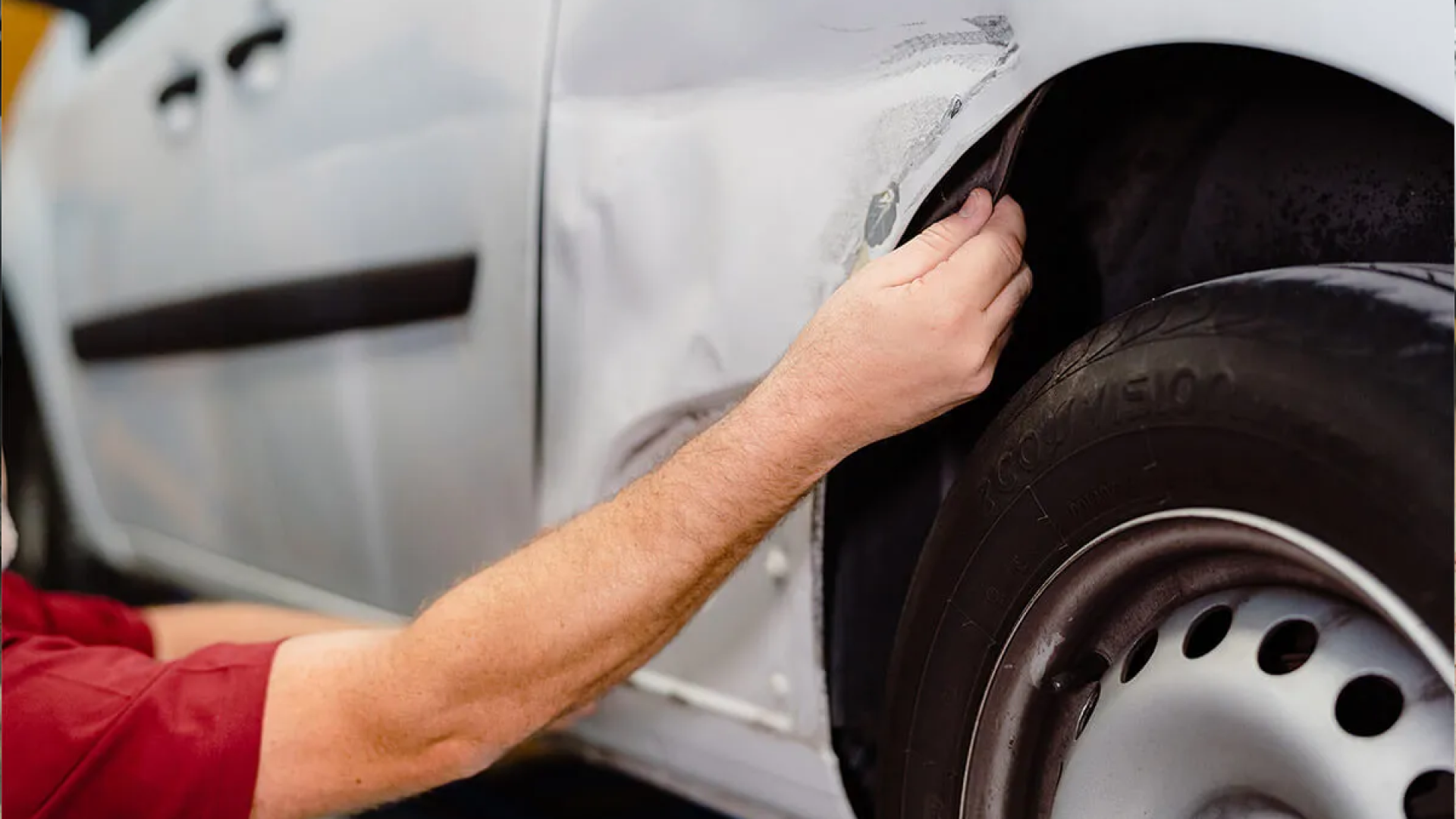
Introduction
A dent can make an otherwise well-maintained vehicle look neglected, but not every dent requires the same type of repair. Some damage can be corrected through paintless dent repair, while deeper or more complicated damage may require traditional auto body repair. Understanding the difference can help vehicle owners make a more informed decision after a parking-lot ding, hailstorm, minor collision, or other body damage. Paintless dent repair, often called PDR, focuses on reshaping the vehicle's original metal without removing the factory paint. Traditional body repair generally involves a more extensive process that can include sanding, filling, replacing damaged panels, applying primer, repainting, and blending paint into surrounding areas. The right repair method depends on several factors, including the size and location of the dent, the condition of the paint, the type of metal involved, and whether the panel has been stretched or structurally damaged. A professional inspection is usually the best way to determine which approach makes sense. For drivers in Austin and surrounding communities, understanding these repair methods is especially useful after hail damage, parking-lot accidents, door dings, and minor collisions. MD AUTO provides services including paintless dent repair, collision repair, dent repair, auto painting, bumper repair, frame alignment, and glass services, giving vehicle owners access to different repair options based on the condition of the vehicle.
What Is Paintless Dent Repair?
Paintless dent repair is a specialized method for removing certain dents without disturbing the vehicle's original factory paint. Instead of filling and repainting the damaged area, a trained technician carefully works the metal or aluminum back toward its original shape. Specialized tools are positioned behind or around the damaged panel, allowing the technician to gradually manipulate the metal. The objective is not simply to push the dent outward. Proper PDR requires controlled pressure and careful observation so the panel returns to its original contour without creating additional distortion.
How Paintless Dent Repair Works
A typical PDR process involves several steps:
Inspecting the damage: The technician examines the dent's size, depth, location, and surrounding area.
Checking the paint: The original paint must generally be intact for PDR to be a suitable option.
Accessing the damaged panel: The technician determines how to reach the back of the dent safely.
Positioning specialized tools: Tools are carefully placed behind the panel.
Gradually reshaping the metal: Small, controlled movements are used to restore the panel's original contour.
Checking the repair: The technician evaluates the panel from different angles and under suitable lighting to identify remaining distortion.
This process requires patience and precision. Moving too aggressively can create additional high spots or distortions, which is why PDR is a skilled repair technique rather than a simple push-and-pull procedure.
Why Original Paint Matters
One of the defining characteristics of paintless dent repair is that it preserves the vehicle's existing paint whenever the damage allows it. Factory-applied automotive paint is bonded to the vehicle during the manufacturing process. If a dent can be corrected without cracking, chipping, or otherwise damaging that finish, there may be no need to repaint the panel. That can be particularly valuable for newer vehicles or vehicles with well-maintained original paint.
What Is Traditional Auto Body Repair?
Traditional body repair is a broader category of collision and cosmetic repair work. It is commonly used when the damage cannot be corrected effectively with PDR. Depending on the situation, traditional repair may involve reshaping metal, repairing or replacing panels, filling imperfections, sanding surfaces, applying primer, painting, and blending paint into surrounding areas. The exact process depends on the severity and type of damage.
How Traditional Body Repair Works
A conventional repair may follow a process such as:
Assessing the damaged area
Removing damaged components when necessary
Straightening or repairing the panel
Filling deeper imperfections
Sanding the surface
Applying primer
Matching and applying paint
Blending paint into nearby areas when appropriate
Reassembling components
Inspecting the finished repair
Traditional collision repair can address damage that goes beyond a simple dent, including damaged paint, torn metal, severely deformed panels, and certain collision-related problems.
When Panel Replacement May Be Necessary
Some damage is too severe for either simple dent repair or conventional reshaping. A panel may be replaced when it is extensively damaged, structurally compromised, or impractical to restore. The decision depends on the vehicle, the panel, the extent of the damage, manufacturer repair procedures, and the technician's assessment.
Paintless Dent Repair vs. Traditional Body Repair
The biggest difference between PDR and traditional body repair is how the damaged panel is restored. PDR attempts to return the original panel to its proper shape while preserving the existing paint. Traditional repair may involve physically repairing the surface and refinishing it with new paint. Neither method is automatically better in every situation. They are different tools for different types of damage.
What Types of Damage Are Good Candidates for PDR?
Paintless dent repair can be appropriate for many relatively minor dents where the paint remains intact and the underlying panel can still be reshaped.
Common examples include:
Door Dings
Small dents caused by another vehicle door, shopping cart, or similar impact may be good candidates for PDR. These dents are often localized and do not involve significant paint damage.
Hail Damage
Hail can leave numerous small dents across a vehicle's hood, roof, trunk, and other panels. When the paint remains intact and the metal is repairable, PDR can be an effective approach for restoring the affected areas. The technician still needs to inspect the vehicle because hail damage varies considerably in depth and severity.
Minor Parking-Lot Dents
A low-speed impact in a parking lot may create a dent without seriously damaging the paint or panel structure. Depending on its location and depth, PDR may be appropriate.
Small Body Creases
Some shallow creases can be corrected using PDR, although creases can be more technically demanding than simple round dents. Their location, sharpness, and effect on the metal all matter.
When Is Traditional Body Repair a Better Choice?
PDR has limitations. It is not designed to solve every type of body damage. Traditional collision or body repair may be more appropriate when the paint has been cracked, scraped, chipped, or broken. Once the finish has significant damage, simply reshaping the metal will not restore the appearance of the paint. Traditional repair may also be appropriate for:
Large or extremely deep dents
Torn or stretched metal
Damage involving multiple body components
Severe collision damage
Panels that cannot be restored effectively
Damaged bumpers requiring repair or replacement
Areas requiring refinishing
Damage accompanied by structural concerns
A dent can look relatively small while hiding more complicated damage underneath. That is one reason professional assessment matters after an accident.
Does Paintless Dent Repair Cost Less Than Traditional Repair?
PDR can be less extensive than traditional body repair in situations where it is appropriate, because the repair may avoid steps such as body filler, extensive sanding, primer, and repainting. However, it is not accurate to assume that every PDR repair will cost less or that every traditional repair will cost more. Pricing depends on the size, depth, location, accessibility, number of dents, type of material, and overall condition of the vehicle. A vehicle with dozens of hail dents, for example, can require significant technician time even when PDR is the preferred repair method. The best way to understand the cost is to have the damage inspected and receive an estimate based on the actual condition of the vehicle.
Does Paintless Dent Repair Preserve the Original Factory Paint?
Yes, preserving the original paint is one of the primary advantages of paintless dent repair when the damage is suitable for the technique. Because PDR works by reshaping the panel rather than sanding and repainting it, the existing finish can remain intact.
Why Paint Preservation Can Matter
Keeping original paint may help maintain consistency in color and finish across the vehicle. This can be especially useful when the surrounding panels have aged or developed subtle differences in appearance from exposure to sunlight and normal use. It also avoids introducing a new paint layer when one is not necessary. That said, PDR cannot repair paint that has already been significantly damaged. If the finish is cracked or missing, another repair approach may be required.
Is Paintless Dent Repair a DIY Job?
Small dents can make DIY repair videos look tempting, but professional PDR involves more than simply pushing a dent out. The technician needs to understand how metal moves, where pressure should be applied, and how to recognize subtle changes in the panel. Accessing the backside of a panel can also require removing trim or other components carefully. A poorly executed repair can leave high spots, additional distortion, or visible waves in the panel. For valuable, newer, or heavily damaged vehicles, professional assessment is generally the safer approach. This is one reason professional dent repair can be preferable to attempting a repair with a DIY kit.
What Happens During a Professional Dent Repair Inspection?
A proper inspection helps determine whether PDR, traditional body repair, panel replacement, or another repair method is appropriate. The technician typically looks at several factors.
Dent Size and Depth
A shallow dent may be easier to correct than a deep indentation that has significantly stretched the metal.
Paint Condition
If the paint is intact, PDR may remain an option. Scratches, cracks, chips, or peeling paint can change the recommended repair method.
Location of the Dent
Not every part of a vehicle provides the same access from behind the panel. Structural reinforcement, braces, sensors, and other components can affect repairability.
Type of Material
Modern vehicles can use different types of steel, aluminum, and other materials. Their characteristics can influence how a panel responds to repair.
Previous Repairs
A panel that has already been repaired or repainted may respond differently from a panel retaining its original factory finish.
Common Misconceptions About Paintless Dent Repair
Several misconceptions can make it harder for vehicle owners to understand what PDR actually does.
"PDR Works on Every Dent"
It does not. PDR has specific limitations, particularly when paint is damaged or the metal has been severely stretched or torn.
"PDR Means the Technician Just Pushes the Dent Out"
Professional PDR involves controlled manipulation of the panel. Technicians often make numerous small adjustments rather than applying one large amount of pressure.
"Traditional Body Repair Is Always Better"
Traditional repair is essential for many types of damage, but using a more extensive repair method when PDR is appropriate may involve unnecessary refinishing work.
"A Small Dent Is Always an Easy Repair"
Size alone does not determine difficulty. A small dent in an awkward location can be more challenging than a larger, shallow dent in an accessible panel.
How to Choose the Right Dent Repair Method
Vehicle owners do not necessarily need to diagnose the repair method themselves. Instead, look for a qualified body repair professional who can inspect the damage and explain why a particular approach is recommended. Ask questions such as:
Is the paint damaged?
Is the metal stretched or torn?
Can the technician access the back of the panel?
Is PDR appropriate for this specific damage?
Would traditional body repair provide a better result?
Does the panel need replacement?
What will the repair process involve?
Is there any related collision or structural damage?
Clear answers can help you understand what you are paying for and why.
Why Professional Assessment Matters After a Collision
A dent may be the most visible part of a vehicle's damage, but it is not always the only problem. After a collision, technicians may need to inspect bumpers, mounting points, frame components, lighting, glass, and other areas depending on how the impact occurred. This is particularly relevant when a vehicle has been involved in a more significant accident. A cosmetic repair should not take the place of a proper collision damage assessment.
MD AUTO provides collision repair and related services in the Austin area, including frame alignment, bumper repair and replacement, dent repair, PDR, auto painting, and glass services. The appropriate repair process depends on the vehicle and the damage identified during inspection.
Practical Tips Before Getting a Dent Repaired
Before scheduling a repair, take a few simple steps.
Photograph the Damage
Take clear photos from several angles. Include close-up images as well as wider photos showing where the dent is located on the vehicle.
Avoid Temporary DIY Repairs
Do not drill into a panel, apply excessive force, or use improvised tools to remove the dent. These attempts can create additional damage and make professional repair more complicated.
Ask for an Inspection
A visual inspection can determine whether PDR is appropriate or whether traditional body repair is necessary.
Ask About the Repair Process
A trustworthy repair professional should be able to explain what will be done and why.
Consider Related Damage
If the dent resulted from a collision, make sure the inspection considers more than the visible body damage.
Why the Difference Matters for Vehicle Owners
Knowing the difference between PDR and traditional body repair helps vehicle owners avoid treating every dent the same way. PDR is primarily about restoring a suitable dent while preserving the existing finish. Traditional body repair is more comprehensive and can address damaged paint, severely deformed panels, bumper damage, and other problems that PDR cannot solve. The goal is not to choose the method with the most impressive-sounding name. The goal is to use the repair technique that fits the actual damage. For Austin drivers dealing with dents, hail damage, or collision damage, a professional inspection can provide a clearer path forward. An experienced auto body technician can evaluate the panel, explain the available options, and identify whether paintless dent repair or conventional body repair makes more sense.
Conclusion
Paintless dent repair and traditional body repair are different approaches designed for different kinds of vehicle damage. PDR reshapes suitable dents while preserving the existing paint, making it particularly useful for certain door dings, hail dents, and minor impacts. Traditional body repair is more extensive and may involve sanding, filling, refinishing, component repair, or panel replacement. It becomes more appropriate when the paint is damaged, the metal is severely distorted, or the vehicle has more substantial collision damage. The best repair method depends on the specific dent, not simply its appearance or size. A professional inspection can reveal whether the original panel can be restored through PDR or whether conventional collision repair is the better choice. For vehicle owners, the most useful takeaway is simple: PDR is a specialized dent-removal technique, while traditional body repair is a broader process for restoring more extensive body and paint damage.
Frequently Asked Questions
Is paintless dent repair better than traditional body repair?
Neither method is universally better. PDR is often appropriate for dents with intact paint and repairable metal, while traditional body repair is better suited to damage involving broken paint, severe deformation, or panels that require refinishing or replacement.
What is the main difference between PDR and traditional dent repair?
PDR reshapes the existing panel without normally repainting it. Traditional dent repair may involve repairing the metal, applying filler, sanding, priming, painting, and blending the repaired area.
Can paintless dent repair fix hail damage?
PDR can be suitable for many hail-damaged vehicles when the paint remains intact and the panels are repairable. The number, size, depth, and location of the dents all affect whether PDR is appropriate. For additional information about exterior damage caused by Texas conditions, see how Texas heat, road debris, and weather can damage your car's exterior.
Does paintless dent repair damage the original paint?
When properly performed on suitable damage, PDR is designed to preserve the original paint rather than remove or replace it. Existing paint damage, however, may require conventional refinishing.
How do I know if my dent qualifies for PDR?
A professional inspection is the most reliable way to determine whether a dent qualifies. The technician will consider its depth, size, location, paint condition, panel material, accessibility, and whether the metal has been stretched.
Can PDR fix a deep dent?
Some deeper dents can be repaired with PDR, but depth alone does not determine suitability. If the metal is severely stretched, torn, sharply creased, or accompanied by significant paint damage, traditional repair may be more appropriate.
Is PDR suitable after a car accident?
It can be suitable for certain minor collision dents when the paint and panel remain in repairable condition. A collision inspection is important because visible dents may not represent the full extent of the damage.
Does traditional body repair always require repainting?
Not necessarily. The repair process depends on the type and extent of damage. However, repainting is commonly part of traditional repair when the existing finish has been damaged or the repaired surface needs refinishing. Professional auto painting may be part of a more extensive repair.
How long does paintless dent repair take?
Repair time varies according to the size, number, location, depth, and complexity of the dents. A small accessible dent may require considerably less work than extensive hail damage involving multiple panels.
Should I try to remove a dent myself?
DIY dent removal can create additional damage if the wrong tools or techniques are used. Professional PDR requires an understanding of panel movement, tool placement, access, and surface contours, so an inspection is generally a better starting point.
