
When Can a Bumper Be Repaired Instead of Replaced?
Introduction
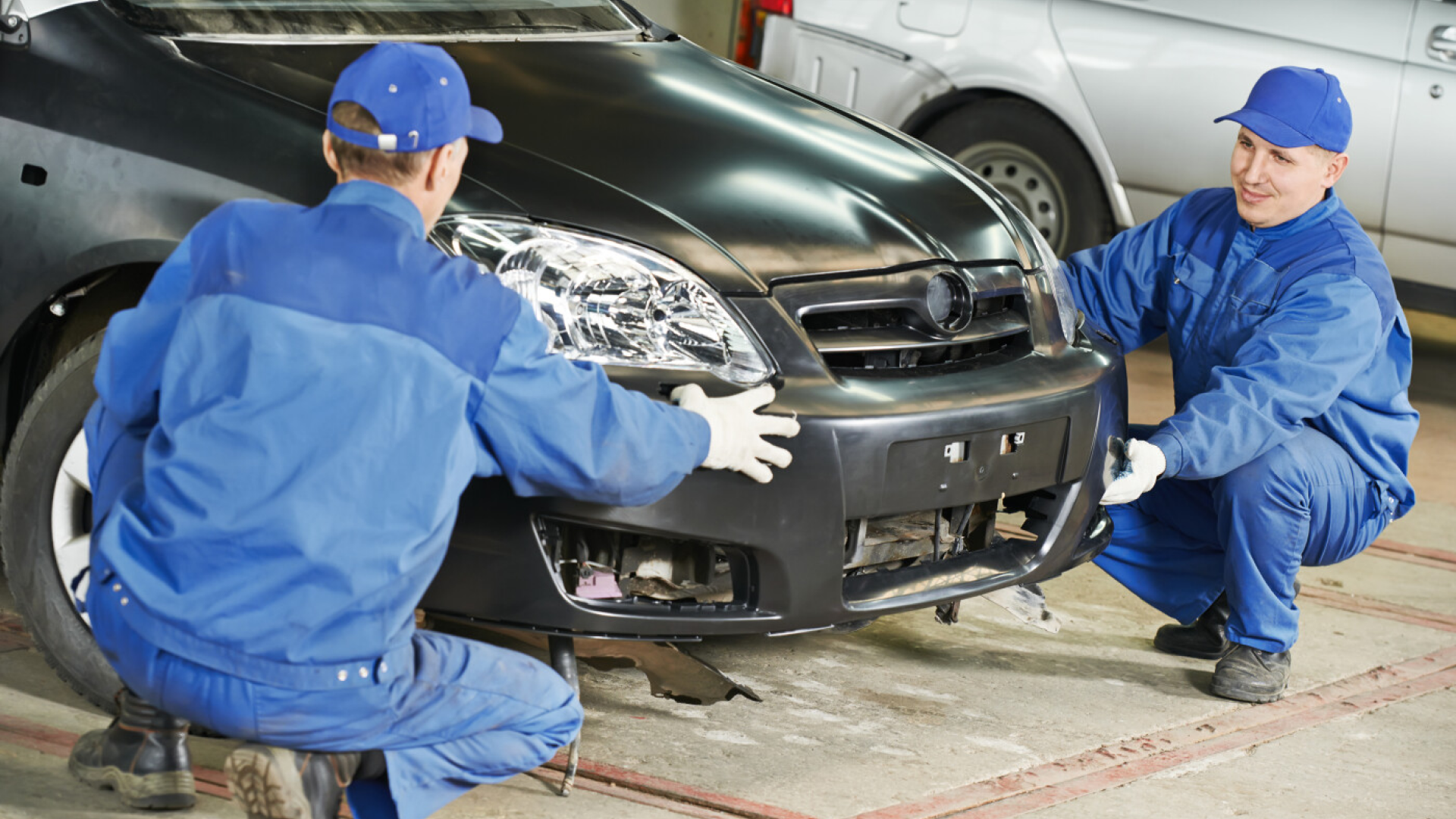
A damaged bumper does not always need to be replaced. In many cases, a professional auto body technician can repair the existing bumper, restoring its appearance and function without installing an entirely new part.The decision depends on several factors, including the type of bumper material, the location and severity of the damage, whether the mounting points are intact, and whether the bumper can be restored to its original shape and strength. A small dent, surface scrape, or certain types of cracks may be repairable, while extensive structural damage can make replacement the safer choice.Understanding the difference can help vehicle owners make better decisions after a parking-lot accident, minor collision, curb impact, or other bumper damage. It can also prevent unnecessary repairs while making sure safety is not compromised.For drivers in Austin and surrounding communities, a professional collision repair inspection can determine whether bumper repair is appropriate or whether replacement is necessary.
What Determines Whether a Bumper Can Be Repaired?
A bumper is more than a cosmetic panel. Modern bumper assemblies can include energy-absorbing components, reinforcement structures, sensors, brackets, grilles, lights, and other parts that work together during a collision.A technician generally evaluates the entire bumper assembly before recommending repair or replacement.
The Type of Damage
The nature of the damage is one of the first considerations.Common bumper problems include:
Scratches and paint damage
Scuffs and abrasions
Small dents
Minor deformation
Cracks
Splits or tears
Broken mounting tabs
Damage around sensors or other components
A shallow dent or surface scrape may be relatively straightforward to repair. A bumper that has been split apart or significantly distorted may require replacement.For a broader look at the difference between appearance-related and more serious vehicle damage, see cosmetic damage and structural damage.
The Bumper Material
Many modern bumpers are made from flexible plastic materials designed to absorb and withstand certain impacts. However, different plastics respond differently to heat, pressure, adhesives, welding, and other repair techniques.A technician needs to identify the material and determine whether it can be properly restored. A repair that looks acceptable on the outside is not necessarily a suitable repair if the underlying material cannot regain the necessary strength or shape.
The Location of the Damage
Where the damage occurs can be just as important as how large it is.Damage in a broad, accessible section of the bumper may be repairable. Damage around mounting points, structural attachment areas, parking sensors, or other components can be more complicated.If the bumper can no longer attach securely to the vehicle, replacement may be recommended even if the visible damage appears relatively small.
When Is Bumper Repair Usually Possible?
There is no single rule that applies to every vehicle, but certain types of damage are commonly considered repair candidates after a proper inspection.
Minor Scratches and Scuffs
Surface scratches and scuffs are among the most common bumper problems.If the underlying bumper material is intact, a technician may be able to prepare the damaged area, repair imperfections, refinish the surface, and blend the paint into the surrounding panel.The repair process depends on how deeply the bumper has been scratched. A superficial mark is different from damage that has removed paint and exposed or gouged the plastic underneath.For more information about when exterior damage warrants professional attention, see scratches and paint damage.
Small Dents
Some plastic bumpers can be reshaped when they have suffered a relatively minor dent without significant cracking or tearing.Depending on the material and damage, a technician may use controlled heat and specialized repair techniques to restore the bumper's shape.The goal is not simply to make the dent less noticeable. The repaired area must also have an appropriate shape and finish so the bumper can be properly reinstalled and refinished.Drivers dealing with smaller dents can also learn more about professional dent repair and the factors technicians consider when restoring damaged body panels.
Minor Cracks
Certain plastic bumper cracks can be repaired using professional plastic repair methods.However, not every crack should be repaired. A technician needs to examine its length, location, depth, and relationship to mounting points and other components.A small crack in an appropriate repair area may be manageable. A large split, heavily damaged mounting area, or compromised bumper structure may make replacement the better option.
Paint Damage
Sometimes the bumper itself is in good condition, but its paint has been damaged.This can happen after a light scrape against another vehicle, a parking barrier, a concrete post, or another object. If there is no significant deformation or structural problem, the repair may focus primarily on surface preparation, refinishing, and paint matching.Proper refinishing is especially important when restoring a damaged bumper. The process of matching factory paint colors accurately can help ensure that the repaired area blends appropriately with the rest of the vehicle.
When Should a Bumper Be Replaced?
Bumper replacement becomes more likely when the damage prevents the bumper from performing its intended function or being securely attached to the vehicle.
Severe Cracking or Splitting
Extensive cracks, tears, or splits can weaken the bumper and make a cosmetic repair unsuitable.A heavily damaged bumper may also be difficult to restore to its original shape. If too much material has been displaced or lost, installing a replacement can provide a more reliable result.
Broken Mounting Points
A bumper must remain securely attached to the vehicle.Broken brackets, mounting tabs, or attachment areas can create problems even when the visible surface damage looks minor. If these areas cannot be properly restored, replacement may be necessary.
Significant Collision Damage
A bumper can look like the primary damaged component after an accident, but the impact may have affected other parts behind it.A collision inspection may reveal damage to reinforcement components, supports, body panels, lights, sensors, or other systems. In this situation, replacing the bumper may be only one part of the overall collision repair process.Drivers can also learn more about identifying less obvious problems in hidden damage after an accident.A professional collision damage assessment can help identify problems that may not be immediately visible from outside the vehicle.
Damage That Affects Safety Systems
Modern vehicles may have parking sensors, cameras, radar-related components, or other technology located around the front or rear bumper.If these components are damaged, displaced, or affected by a collision, the repair requires more than simply restoring the bumper's appearance.Technicians need to determine whether the relevant components remain properly positioned and functional. Depending on the vehicle, calibration or additional diagnostic procedures may also be required.
Bumper Repair vs. Bumper Replacement: What's the Difference?
The basic distinction is straightforward.Bumper repair means restoring the existing bumper when the material and damage allow it to be safely and properly repaired.Bumper replacement means removing the damaged bumper and installing another bumper that is appropriate for the vehicle.Neither option is automatically better in every situation. The appropriate choice depends on the vehicle, the bumper construction, the collision damage, and the repair requirements.For more information about common bumper problems and repair approaches, see the most common bumper damage drivers experience.
Bumper Repair May Make Sense When:
The damage is relatively minor.
The bumper material remains suitable for repair.
The mounting points are intact or can be properly restored.
The bumper can be returned to an appropriate shape.
Sensors and related components have not been compromised.
The repair can meet applicable quality and safety requirements.
Bumper Replacement May Make Sense When:
The bumper is extensively cracked or split.
Important mounting areas are badly damaged.
The bumper has suffered significant deformation.
Material is missing from the damaged area.
Collision damage extends beyond the bumper.
Safety-related components have been compromised.
A proper repair cannot restore the bumper to an acceptable condition.
The final decision should come from an inspection rather than the size of the visible mark alone.
How Do Auto Body Technicians Inspect Bumper Damage?
A professional bumper assessment generally starts with a visual inspection, but experienced technicians look beyond the obvious damage.
Step 1: Examine the Exterior
The technician checks scratches, dents, cracks, paint damage, deformation, gaps, and other visible problems.They may also compare the damaged area with the surrounding body panels to identify changes in alignment or shape.
Step 2: Inspect the Mounting Areas
The bumper is checked around its brackets, clips, tabs, fasteners, and attachment points.This helps determine whether the bumper can remain securely installed after repair.
Step 3: Check for Hidden Damage
Collision damage can extend behind the visible bumper cover.The technician may inspect components underneath or behind the bumper for signs of impact damage. This can include reinforcement components, supports, absorbers, brackets, lighting components, sensors, and adjacent body panels.
Step 4: Assess Repairability
The technician considers the material, damage pattern, location, and condition of the bumper.The question is not simply, "Can this mark be repaired?" The more useful question is, "Can this bumper be properly restored?"
Step 5: Determine the Appropriate Repair Plan
After the inspection, the technician can explain whether repair, replacement, or additional collision work is appropriate.For vehicles involved in a larger accident, the bumper assessment may be part of a broader collision damage evaluation.
Can a Plastic Bumper Be Repaired?
Yes, some plastic bumpers can be repaired.Plastic bumper repair can involve techniques intended for the specific type of plastic and damage. Depending on the situation, repairs may involve reshaping, plastic repair, surface preparation, refinishing, or other specialized However, "plastic" does not automatically mean "repairable." Different bumper materials and damage patterns require different approaches.A technician should also consider whether the repaired bumper can maintain proper attachment and function. A visually attractive repair is not enough if the underlying damage affects the bumper's installation or performance.
What About Paintless Dent Repair on a Bumper?
Paintless dent repair, commonly called PDR, is widely associated with dents in metal body panels. It is not automatically the right method for every plastic bumper.Plastic has different properties from sheet metal, and a bumper may require a different repair technique depending on its construction and the nature of the dent.If bumper damage includes paint loss, cracking, gouging, or significant deformation, conventional bumper repair and refinishing may be more appropriate than a PDR-style approach.A professional inspection can determine which technique fits the particular damage.For additional information about PDR, see what makes paintless dent repair a popular choice for small damage.
Does a Repaired Bumper Look as Good as a New One?
A properly repaired and refinished bumper can often be restored to a clean, finished appearance, but the outcome depends on the original damage and the repair process.Paint matching is an important part of the job. Modern automotive finishes can involve multiple layers and specialized paint systems, so proper preparation and refinishing matter.The quality of the final result also depends on whether the bumper's original shape, surface texture, mounting position, and surrounding panels can be restored appropriately.A reputable collision repair shop should evaluate the complete repair rather than treating the visible scratch or dent as an isolated cosmetic problem.Professional auto painting services can also play an important role when bumper damage requires refinishing.
What Should You Do After Bumper Damage?
If your bumper has been damaged, avoid deciding on replacement based solely on what you can see.Start by checking whether the bumper is loose, hanging, rubbing against a tire, or creating an obvious hazard. If the vehicle was involved in a collision, look for other signs of damage and consider having it professionally inspected before continuing to drive.
A Practical Bumper Damage Checklist
After an impact, consider these questions:
Is the bumper cracked, split, or badly deformed?
Are any mounting clips, brackets, or tabs broken?
Is the bumper loose or pulling away from the vehicle?
Are lights, sensors, cameras, or other components damaged?
Is there damage behind the bumper?
Is the damage limited to paint and surface material?
Does the vehicle have other collision damage?
Can the bumper be restored without compromising its proper installation?
These questions cannot replace a professional inspection, but they can help you understand what a technician will evaluate.
Common Misconceptions About Bumper Repair
A Small Dent Always Means the Bumper Can Be Repaired
Not necessarily.A small dent may be located near a mounting point, sensor, or other component. The visible size of the damage does not tell the whole story.
A Cracked Bumper Always Has to Be Replaced
Not always.Some cracks in suitable locations and materials can potentially be repaired. Extensive cracking or damage to important attachment areas can change the recommendation.
A New Bumper Is Always Safer
Replacement is not automatically necessary simply because a bumper has cosmetic damage. A properly assessed repair can be appropriate for certain types of damage.The key issue is whether the finished repair restores the bumper appropriately for the vehicle.
Insurance Automatically Requires Replacement
Insurance coverage and repair decisions depend on the specific claim, vehicle, damage, policy, and circumstances.An insurance company may have its own procedures for estimating and approving collision repairs. Vehicle owners should discuss the damage assessment and repair options with the appropriate professionals.Drivers dealing with an insurance claim can also review information about how insurance claims work for auto body repairs in Texas.
How Much Does Bumper Repair Cost?
The cost of bumper repair varies considerably.Factors can include:
Type and severity of damage
Bumper material
Vehicle make and model
Location of the damage
Required repair technique
Paint and refinishing requirements
Damage to mounting hardware
Sensors or other components
Additional collision damage
Because of these variables, a reliable estimate generally requires an inspection or detailed photos that allow a repair professional to evaluate the damage.A free estimate can be particularly useful when you are trying to understand whether repairing an existing bumper or replacing it makes more sense for your vehicle.
Why Professional Bumper Assessment Matters
Bumper damage can be deceptively simple. A scrape across the surface may look like a cosmetic problem while a collision behind the bumper has affected mounting components or other parts.Professional collision repair involves evaluating the condition of the vehicle rather than focusing only on the most visible mark.
MD AUTO provides collision repair and auto body services in Austin and surrounding communities, including bumper repair and replacement, frame alignment, dent repair, paintless dent repair, auto painting, and glass repair. The shop also offers free estimates and insurance assistance, with certified technicians using OEM-approved repair methods.For drivers dealing with bumper damage, an inspection can provide a clearer answer about what needs to be repaired, what may need replacement, and whether additional collision damage should be addressed.
Conclusion
A bumper can often be repaired when the damage is limited, the material remains suitable for repair, and the bumper's mounting and functional components are still in appropriate condition. Minor dents, scratches, scuffs, certain cracks, and paint damage may be repairable after a professional assessment.Replacement becomes more appropriate when the bumper has extensive cracking, significant deformation, missing material, severely damaged mounting points, or other problems that prevent it from being properly restored.The most reliable way to decide between bumper repair and replacement is to have the entire bumper assembly inspected. Looking only at the visible damage can miss problems underneath the surface.If your bumper has been damaged in Austin or a nearby community, a professional collision repair evaluation can help you understand the available options and make an informed decision based on the actual condition of your vehicle.
Frequently Asked Questions
Can a cracked bumper be repaired instead of replaced?
Some cracked plastic bumpers can be professionally repaired, depending on the material, size, location, and severity of the crack. Extensive cracks, damaged mounting areas, or missing material may make replacement more appropriate.
How do I know if my bumper needs to be replaced?
A bumper may need replacement when it has severe cracking, major deformation, broken mounting points, missing material, or damage that cannot be properly restored. A technician should inspect the bumper and surrounding components before making the determination.
Is it cheaper to repair a bumper than replace it?
Bumper repair can cost less than replacement in some situations, but the price depends on the damage, vehicle, materials, labor, paint requirements, and related components. An inspection and estimate are the best ways to compare the options for a particular vehicle.
Can a plastic bumper be fixed after an accident?
Yes, certain plastic bumpers can be repaired after an accident. The repairability depends on the type of plastic, the location and severity of the damage, and whether the bumper's mounting and functional components remain suitable for repair.
Can a dented bumper be repaired?
A dented bumper may be repairable if the material has not been excessively damaged and the bumper can be restored to its proper shape. The technician will also check for cracks, mounting damage, and hidden collision damage.
Can scratches on a bumper be repaired?
Many bumper scratches can be repaired and refinished, particularly when the underlying bumper material is not severely damaged. Deeper gouges may require additional preparation or plastic repair before the area is repainted.
Is bumper repair safe after a collision?
A properly performed bumper repair can be appropriate for certain types of collision damage. Safety depends on the condition of the entire bumper assembly and related components, so a professional inspection is recommended after a significant impact.
Does bumper damage mean there is hidden damage?
Not necessarily, but it is possible. An impact can affect mounting hardware, reinforcement components, sensors, supports, lights, or nearby body panels without making every problem immediately obvious from the outside.
Can a bumper with broken clips be repaired?
It depends on which clips or mounting components are damaged and whether they can be properly restored. If the bumper cannot be securely attached after repair, replacement or additional component repair may be necessary.
Should I repair or replace my bumper after a minor accident?
Do not base the decision solely on how minor the accident appears. Have the bumper and surrounding components inspected, then compare the repair options based on the actual damage, vehicle requirements, and expected repair result.
